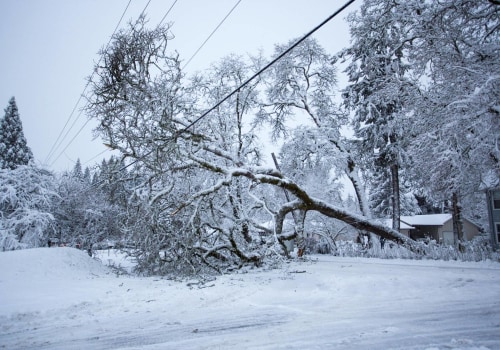
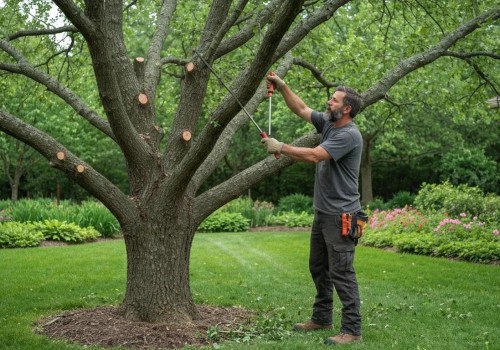
Understanding tree branch removal is essential for maintaining the health and safety of your trees. Trees are not only vital to our ecosystem, but they also enhance the beauty of our landscapes. However, overgrown or damaged branches can pose significant risks, including potential damage to property and injury to people. Regularly assessing the condition of your trees and knowing when to remove branches is a crucial aspect of tree care.Effective pruning techniques play a pivotal role in the process of tree branch removal.
Proper pruning not only helps in removing hazardous branches but also promotes healthy growth by allowing sunlight and air to reach the inner parts of the tree. This practice can prevent diseases and pests from taking hold, ensuring that your trees remain robust and vibrant. In this section, we will explore the importance of tree branch removal, focusing on how it contributes to overall tree health and safety. By understanding the fundamentals of this process, you will be better equipped to make informed decisions about when and how to remove branches, setting the stage for a more detailed examination of the specific steps involved in effective tree branch removal.
When to Remove a Tree Branch
Understanding when to remove tree branches is essential for maintaining the overall health of your trees and ensuring safety in your surroundings. Several signs indicate that a branch may need to be removed, and recognizing these can prevent further damage to the tree or potential hazards.- Dead Branches: One of the most obvious signs that a branch should be removed is if it is dead.
Dead branches often appear dry, brittle, and may lack leaves during the growing season. If you notice a branch that has no foliage or has turned brown, it’s time to consider removal.
- Diseased Branches: If a branch shows signs of disease, such as discoloration, unusual growths, or fungal infections, it can compromise the health of the entire tree. Removing diseased branches helps prevent the spread of pathogens to healthy parts of the tree.
- Weak or Cracked Branches: Branches that are cracked or have weak attachments to the trunk pose a significant risk, especially during storms or high winds. These branches can easily break off and cause injury or property damage.
- Overcrowding: In some cases, branches may become overcrowded, competing for sunlight and nutrients.
Thinning out these branches can improve air circulation and light penetration, promoting healthier growth.
- Safety Concerns: If a branch is hanging precariously over structures, walkways, or power lines, it poses a safety hazard. Regular inspections can help identify branches that may need immediate attention to avoid accidents.
Tools Needed for Tree Branch Removal
When it comes to tree branch removal, having the right tools is essential for both safety and efficiency. Using improper tools can lead to accidents or damage to the tree, so it’s important to equip yourself with the necessary equipment before starting the job.- Pruning Saw: A pruning saw is a vital tool for cutting through thicker branches.
Its sharp, serrated blade allows for clean cuts, minimizing damage to the tree. Look for a saw with a comfortable grip and a blade length that suits your needs.
- Loppers: For branches that are too thick for hand pruners but not quite thick enough for a saw, loppers are ideal. These long-handled tools provide leverage, making it easier to cut through branches up to 2 inches in diameter. Choose loppers with a bypass design for cleaner cuts.
- Hand Pruners: Also known as secateurs, hand pruners are perfect for small branches and twigs.
They are easy to use and can be operated with one hand, making them a convenient choice for quick snips.
- Safety Equipment: Safety should always be your top priority during tree branch removal. Equip yourself with safety goggles to protect your eyes from falling debris, gloves to safeguard your hands, and a hard hat if you’re working under larger trees. Additionally, consider wearing sturdy boots with good traction.
Step-by-Step Process for Removing a Tree Branch
Removing a tree branch can be a straightforward task if approached with the right techniques and safety measures.Here’s a step-by-step guide to ensure effective and safe tree branch removal.
- Assess the Branch: Before you begin, evaluate the branch you intend to remove. Check its size, location, and health. If it’s large or poses a risk of falling, consider hiring a professional.
- Gather Your Tools: Equip yourself with the necessary tools for the job. Common tools include:
- Pruning Shears: Ideal for small branches.
- Loppers: Useful for medium-sized branches.
- Saw: Required for larger branches.
- Safety Gear: Always wear gloves, goggles, and a hard hat to protect yourself.
- Prepare the Area: Clear the area around the tree to ensure you have enough space to work safely.
Remove any obstacles that could cause tripping or falling hazards.
- Make the Cut: Follow these steps for cutting:
- If the branch is small, use pruning shears or loppers to make a clean cut at a 45-degree angle.
- For larger branches, use the three-cut method: First, make an undercut about one-third of the way through the branch. Next, make a top cut further out from the trunk until the branch falls. Finally, trim any remaining stub close to the trunk without damaging it.
- Post-Removal Care: After removing the branch, inspect the tree for any damage. If necessary, apply a tree wound dressing to protect against pests and diseases.
Clean up fallen debris to maintain a safe environment.
Safety Precautions During Tree Branch Removal
When it comes to tree branch removal, safety should always be your top priority. Whether you're a seasoned professional or a weekend warrior, taking the right precautions can prevent accidents and injuries.Personal Protective Equipment (PPE)
- Hard Hat: Protects your head from falling branches and debris.
- Safety Goggles: Shields your eyes from dust, wood chips, and other flying particles.
- Gloves: Provides grip and protects your hands from cuts and scrapes.
- Steel-Toed Boots: Offers foot protection against heavy falling branches.
- High-Visibility Clothing: Ensures you are seen by others, especially if working near roadways.
Safe Practices
- Assess the Area: Before starting, inspect the area for hazards such as power lines, unstable ground, or nearby structures that could be damaged during the removal process.
- Use Proper Tools: Ensure that you have the right tools for the job, such as a chainsaw or pruning saw, and that they are in good working condition.
- Work with a Partner: Having someone nearby can help in case of an emergency and can assist with holding branches or managing equipment.
- Plan Your Cuts: Always plan where the branch will fall. Make sure the area is clear of people and pets before making any cuts.
- Avoid Working Alone: If possible, always have someone with you to help in case of an accident.
Aftercare for Trees Post-Branch Removal
After the tree branch removal process, it is crucial to focus on the health and recovery of the tree.Proper aftercare can significantly influence the tree's ability to heal and thrive in the long run.
Monitor Tree Health
- Regularly inspect the tree for signs of stress, such as wilting leaves, discoloration, or unusual growth patterns.
- Check for any signs of pests or diseases that may take advantage of the tree's weakened state.
- Keep an eye on the cut area; it should begin to heal within a few weeks. If you notice excessive sap oozing or decay, consult an arborist.
Watering and Nutrient Management
- Ensure the tree receives adequate water, especially during dry spells. Deep watering encourages root growth and helps the tree recover.
- Consider applying a balanced fertilizer to provide essential nutrients that support recovery. However, avoid over-fertilizing, as this can stress the tree further.
Mulching
- Add a layer of organic mulch around the base of the tree.
This helps retain moisture, suppress weeds, and regulate soil temperature.
- Keep mulch a few inches away from the trunk to prevent rot and pest infestations.
Pruning Maintenance
- If additional pruning is necessary in the future, ensure it is done during the appropriate season to minimize stress on the tree.
- Use clean, sharp tools to make clean cuts that promote faster healing.
Common Mistakes to Avoid in Tree Branch Removal
When it comes to tree branch removal, many individuals make common mistakes that can lead to damage to the tree or even personal injury. Understanding these pitfalls is essential for anyone looking to prune their trees effectively.- Neglecting Safety Gear: One of the most significant mistakes is failing to wear appropriate safety gear. Always use gloves, goggles, and a hard hat when removing branches, especially if they are large or located high up.
- Improper Cutting Techniques: Using the wrong cutting technique can harm the tree.
For instance, making a flush cut can expose the tree to disease. Instead, use the three-cut method: make an undercut, followed by a top cut, and finally remove the stub.
- Ignoring Tree Health: Before removing any branches, assess the overall health of the tree. Removing too many branches at once can stress the tree and hinder its growth. Aim to remove no more than 25% of a tree's foliage in one season.
- Pruning at the Wrong Time: Timing is crucial in tree branch removal.
Pruning during the wrong season can lead to sap loss or attract pests. Late winter or early spring is often the best time for most trees.
- Overlooking Tree Species Needs: Different species have unique pruning requirements. Research your specific tree type to understand its growth patterns and how best to manage its branches.
FAQs About Tree Branch Removal
When it comes to tree branch removal, many homeowners have questions about the best practices and techniques.Here are some frequently asked questions that can help clarify the process:
- What is the best time of year for tree branch removal? The ideal time for tree branch removal is during late winter or early spring before new growth begins. This timing minimizes stress on the tree and allows for better healing.
- Do I need a permit for tree branch removal? In some areas, you may need a permit to remove branches, especially if they belong to a protected species or are located near public property. Always check local regulations before proceeding.
- How do I know if a branch needs to be removed? Branches that are dead, diseased, or damaged should be removed. Additionally, branches that are crossing or rubbing against each other can cause injury to the tree and should be pruned.
- Can I remove tree branches myself? If the branches are small and within your reach, you can safely remove them using pruning shears or a handsaw.
However, for larger branches or those that are high up, it’s advisable to hire a professional.
- What tools do I need for tree branch removal? Basic tools include pruning shears for small branches, a handsaw for medium-sized branches, and a chainsaw for larger ones. Always wear safety gear such as gloves and goggles when working.
- How should I cut the branch? Use the three-cut method for larger branches: make an undercut about one-third of the way through the branch, then make a top cut further out until the branch falls. Finally, trim the remaining stub at the branch collar to promote healing.
Conclusion: Key Takeaways on Tree Branch Removal
In conclusion, tree branch removal is a task that requires careful planning and execution to ensure safety and effectiveness. Understanding the process is crucial for both novice and experienced individuals looking to maintain their trees properly. Here are the key takeaways regarding tree branch removal:- Assess the Situation: Before starting, evaluate the tree and the specific branch you intend to remove.
Look for signs of disease, damage, or structural issues that may affect your approach.
- Choose the Right Tools: Using appropriate tools such as pruning shears, loppers, or a chainsaw is essential. Ensure that your tools are sharp and in good condition to make clean cuts.
- Follow Proper Techniques: Always cut at a slight angle to promote healing and reduce the risk of disease. For larger branches, use the three-cut method to prevent bark tearing.
- Prioritize Safety: Wear protective gear such as gloves, goggles, and a hard hat. Be aware of your surroundings, especially if working near power lines or structures.
- Consider Professional Help: If the branch is large or poses a risk, hiring a professional arborist can save time and ensure safety.
Remember that proper maintenance not only benefits the tree but also contributes to the overall aesthetics of your landscape.