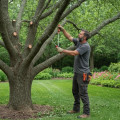
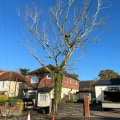
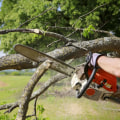
Tree branch removal is a crucial aspect of tree care that often goes unnoticed until it becomes a pressing issue. Whether in urban landscapes or rural settings, the health and safety of trees can significantly impact the surrounding environment. Overgrown or damaged branches can pose risks to property and human safety, especially during storms or high winds. Therefore, understanding the importance of timely and effective tree branch removal is essential for maintaining not only the aesthetics of our surroundings but also the ecological balance. However, while the necessity of removing tree branches is clear, it is equally important to consider the environmental impact of such actions.
Improper removal techniques can lead to unintended consequences, such as habitat destruction for local wildlife or increased vulnerability to pests and diseases in trees. Additionally, the removal process itself can disturb soil health and contribute to erosion if not managed correctly. As we delve deeper into this topic, we will explore how responsible tree branch removal practices can mitigate these environmental concerns while promoting healthier ecosystems. In essence, tree branch removal is not merely a maintenance task; it is a responsibility that requires careful consideration of both immediate needs and long-term ecological effects. By prioritizing sustainable practices in tree care, we can ensure that our actions contribute positively to the environment while safeguarding our communities from potential hazards.
The Process of Tree Branch Removal
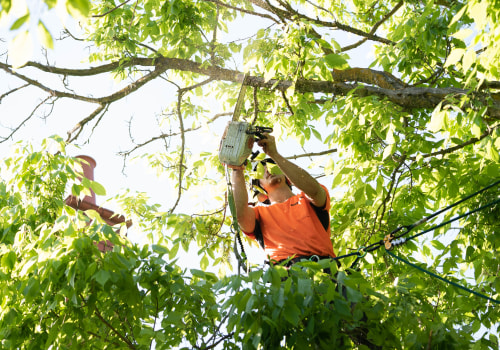
Removing tree branches is a crucial aspect of maintaining the health and aesthetics of trees.However, understanding the tree branch removal process is essential to ensure that it is done safely and effectively, while also considering potential environmental impacts.There are several methods for removing tree branches, each suited for different situations:
- Pruning: This technique involves selectively removing branches to improve the tree's structure and health. Pruning should be done during the tree's dormant season to minimize stress.
- Thinning: Thinning involves removing entire branches to allow more light and air to reach the inner parts of the tree. This method can enhance growth and reduce the risk of disease.
- Crown Reduction: This method reduces the height or spread of a tree by cutting back the branches. It is often used for trees that are too close to buildings or power lines.
- Deadwooding: This process involves removing dead or dying branches, which can pose safety hazards and attract pests.
Using sharp, clean tools helps prevent damage to the tree and reduces the risk of disease transmission. Additionally, following the natural shape of the tree when making cuts can promote healthier regrowth.While these methods are effective, they can also have environmental implications. For instance, excessive removal of branches can lead to increased sunlight exposure on the forest floor, potentially disrupting local ecosystems. Furthermore, improper techniques may harm wildlife habitats that rely on trees for shelter and food.In conclusion, understanding the tree branch removal process is vital not only for maintaining tree health but also for minimizing negative environmental impacts.
By employing appropriate techniques and being mindful of local ecosystems, individuals can ensure that their tree maintenance practices are both effective and environmentally responsible.
Environmental Concerns Associated with Tree Branch Removal
Tree branch removal can have significant environmental concerns that extend beyond the immediate aesthetic or safety benefits. Understanding these implications is crucial for responsible tree management. One of the primary issues associated with tree branch removal is its potential impact on local ecosystems. Trees play a vital role in maintaining ecological balance, providing habitat and food for various species. When branches are removed, especially in large quantities, it can disrupt the habitat of birds, insects, and other wildlife that rely on these trees for shelter and sustenance.Biodiversity loss is another critical concern.Trees contribute to the overall biodiversity of an area by supporting numerous organisms. The removal of branches can lead to a decline in species that depend on specific tree structures for nesting or feeding. This loss can have a cascading effect on the food web, ultimately affecting other species and the health of the ecosystem. Additionally, tree branch removal can impact soil health. Trees contribute to soil stability and nutrient cycling through their root systems and leaf litter.
When branches are cut away, it can lead to increased soil erosion and a decrease in organic matter, which is essential for maintaining soil fertility. To mitigate these environmental concerns, it is essential to adopt sustainable practices when considering tree branch removal. This includes assessing the health of the tree, understanding its role in the ecosystem, and exploring alternatives such as selective pruning rather than complete removal. In conclusion, while tree branch removal may be necessary at times, it is vital to consider the broader ecological impacts. By being mindful of these factors, we can help preserve our natural environments and promote biodiversity.
Impact on Local Wildlife and Biodiversity
The process of tree branch removal can have significant implications for local wildlife and biodiversity. Trees serve as vital habitats for numerous species, providing shelter, food, and breeding grounds.When branches are removed, especially during critical seasons, it can disrupt the delicate balance of these ecosystems.
Wildlife Impact of Tree Removal
- Birds: Many bird species rely on tree branches for nesting. Removing branches can lead to a decrease in available nesting sites, which may result in lower bird populations.
- Mammals: Small mammals such as squirrels and raccoons often use tree branches for travel and foraging. The removal of these branches can limit their movement and access to food sources.
- Insects: Trees are home to a variety of insects that play crucial roles in pollination and as a food source for other wildlife. Removing branches can disrupt these populations, affecting the entire food chain.
Biodiversity Effects
The removal of tree branches not only impacts individual species but also threatens overall biodiversity.
A diverse ecosystem is essential for resilience against diseases and environmental changes. When tree branches are removed, it can lead to:
- A reduction in plant diversity, as many understory plants depend on the shade and microclimate created by tree canopies.
- An imbalance in predator-prey relationships, as the removal of certain species can lead to overpopulation of others.
- A decline in genetic diversity among wildlife populations, making them more susceptible to extinction.
Habitat Destruction
Ultimately, the act of removing tree branches contributes to habitat destruction. This not only affects the immediate area but can also have cascading effects on surrounding ecosystems. To mitigate these impacts, it is crucial to consider alternatives to branch removal or to conduct such activities during off-peak seasons when wildlife is less affected.
Soil Health and Tree Branch Removal
The process of tree branch removal can have significant implications for soil health, particularly in terms of soil erosion and nutrient cycling.When branches are removed, especially in large quantities or from mature trees, the immediate impact on the surrounding soil can be profound.
Soil erosion
is one of the primary concerns associated with tree branch removal. Trees play a crucial role in stabilizing soil through their root systems. When branches are cut, it can lead to a reduction in canopy cover, which protects the soil from direct rainfall. This exposure can increase the risk of erosion, particularly on slopes or in areas with loose soil.Over time, this erosion can strip away the topsoil, which is essential for plant growth and maintaining healthy ecosystems.Moreover, the removal of tree branches disrupts the natural process of nutrient cycling. Fallen branches and leaves decompose over time, returning vital nutrients back into the soil. This organic matter enriches the soil, promoting a healthy environment for microorganisms and other organisms that contribute to soil fertility. Without this natural input, the soil may become depleted of essential nutrients, leading to poorer plant health and reduced biodiversity.To mitigate these effects, it is important to consider sustainable practices when performing tree branch removal.
Here are some strategies that can help:
- Selective pruning: Instead of removing large branches or entire limbs, focus on selective pruning to maintain tree structure while minimizing soil disruption.
- Mulching: Use the removed branches as mulch around the base of trees or in garden beds to retain moisture and provide nutrients as they decompose.
- Erosion control measures: Implement erosion control techniques such as planting ground cover or using erosion blankets in areas where soil stability is a concern.
Best Practices for Environmentally Responsible Tree Branch Removal
When it comes to tree branch removal, adopting eco-friendly tree trimming practices is essential for minimizing environmental impact. Here are some best practices to consider:- Assess the Tree's Health: Before removing any branches, evaluate the overall health of the tree. Healthy trees contribute to biodiversity and provide habitat for various species.
- Timing Matters: Conduct tree branch removal during the tree's dormant season, typically late fall or winter.
This reduces stress on the tree and minimizes disruption to local wildlife.
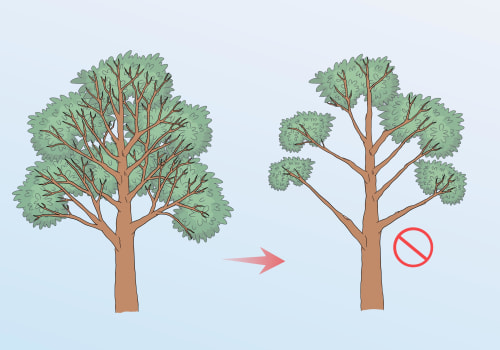
- Use Proper Techniques: Employ techniques such as crown thinning or crown raising instead of topping, which can harm the tree's structure and health. Proper cuts promote healing and reduce the risk of disease.
- Limit Removal: Only remove branches that are necessary for safety or health reasons. Over-trimming can lead to increased vulnerability to pests and diseases.
- Recycle Organic Material: Instead of discarding removed branches, consider chipping them into mulch or using them for compost. This practice not only reduces waste but also enriches the soil.
For instance, leaving some fallen branches on the ground can provide habitat for insects and small animals, contributing to a healthy food web. Lastly, if you're unsure about how to proceed with responsible tree care, consult with a certified arborist. They can provide expert advice tailored to your specific situation, ensuring that your approach to tree branch removal aligns with best environmental practices.
Frequently Asked Questions about Tree Branch Removal and Its Environmental Impact
When considering tree branch removal, many homeowners have questions about its potential environmental impact. Here are some frequently asked questions that can help clarify these concerns:- Does removing tree branches harm the tree? In most cases, tree branch removal is beneficial for the overall health of the tree. Removing dead or diseased branches can prevent the spread of disease and promote better growth.
However, excessive pruning can stress the tree, so it’s essential to follow proper techniques.
- What are the environmental benefits of tree branch removal? Properly managed tree branch removal can enhance sunlight penetration and air circulation, which are crucial for a tree's health. This practice can also improve the aesthetic appeal of your landscape, potentially increasing biodiversity by allowing more light to reach the ground.
- Are there any negative effects on local wildlife? While some wildlife may be displaced during tree branch removal, especially birds nesting in branches, careful timing and techniques can minimize disruption. It’s advisable to conduct removals outside of nesting seasons to protect local fauna.
- What should I do with the removed branches? Instead of discarding removed branches, consider recycling them. They can be chipped into mulch, which enriches soil and supports local ecosystems.
Alternatively, they can be used for firewood or composted if they are free from disease.
Conclusion: Balancing Tree Care with Environmental Responsibility
In conclusion, tree branch removal is a necessary practice for maintaining the health and safety of trees, but it comes with significant environmental considerations that must not be overlooked. As we have discussed, the removal of tree branches can impact local ecosystems, wildlife habitats, and the overall health of the tree itself.To ensure that tree branch removal is conducted responsibly, it is essential to:- Assess the necessity: Before proceeding with any removal, evaluate whether the branches pose a genuine risk or if they can be pruned instead.
- Consider timing: The timing of branch removal can affect wildlife. For instance, avoiding removal during nesting seasons helps protect local bird populations.
- Utilize sustainable practices: Employing eco-friendly methods and tools can minimize damage to surrounding flora and fauna.
- Engage professionals: Hiring certified arborists ensures that tree care is performed with an understanding of ecological impacts.
Therefore, any decision regarding tree branch removal should be made with a holistic view of its potential consequences.Ultimately, balancing effective tree care with environmental responsibility is key. By being mindful of our actions and their effects on the ecosystem, we can ensure that our landscapes remain healthy and vibrant for generations to come.