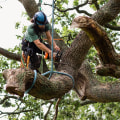
Understanding the signs of tree branch infestations is crucial for maintaining the health of your trees and preventing further damage.
Tree branch removal
becomes necessary when pests invade, as they can compromise the structural integrity of the branch and, ultimately, the entire tree. Early detection is key; recognizing the symptoms of an infestation can save you time, money, and the health of your landscape. Pests such as aphids, borers, and scale insects can wreak havoc on tree branches, leading to a decline in vitality and aesthetic appeal. Common signs include discolored leaves, unusual growths, or even visible insects on the bark.If you notice these indicators, it’s essential to act swiftly. Ignoring these signs can lead to more extensive damage, requiring not just branch removal but potentially the removal of the entire tree. In this section, we will delve deeper into the specific signs that indicate a tree branch has been infested by pests. By understanding these warning signals, you can take proactive measures to protect your trees and ensure they remain healthy and vibrant for years to come.
Common Pests That Infest Tree Branches
Identifying common tree pests is crucial for maintaining the health of your trees and preventing the need for tree branch removal. Several pests can infest tree branches, each exhibiting unique characteristics and behaviors.1.Aphids
Aphids are small, soft-bodied insects that often cluster on the undersides of leaves and stems.They feed on plant sap, which can lead to yellowing leaves and stunted growth. Look for sticky honeydew on the branches, which is a sign of their presence.
2.Borers
Borer insects, such as the emerald ash borer, tunnel into the wood of trees, causing significant damage. Signs of borer infestation include:- Small holes in the bark
- Frass (sawdust-like material) around the base of the tree
- Wilting or dying branches
3.Scale Insects
Scale insects appear as small, immobile bumps on tree branches and leaves. They suck sap from the plant, leading to weakened branches and potential dieback.Affected areas may also develop sooty mold due to honeydew excretion.
4.Spider Mites
These tiny arachnids thrive in hot, dry conditions and can cause significant damage by feeding on leaf tissue. Look for fine webbing on branches and a stippled appearance on leaves as indicators of spider mite activity.5.Caterpillars
Caterpillars from various moth species can defoliate trees rapidly. Signs include chewed leaves and frass dropping from the branches. Monitoring for these pests during their active seasons is essential for early intervention. By recognizing these types of tree pests, you can take proactive measures to protect your trees.Regular inspections will help you identify infestations early, potentially saving your trees from severe damage and the need for removal.
Signs of Pest Infestation in Tree Branches
Identifying the signs of pest infestation in tree branches is crucial for maintaining the health of your trees and preventing further damage. Here are some key indicators to look for:- Discoloration: If you notice yellowing or browning leaves on a branch, it may indicate that pests are affecting the tree's ability to photosynthesize.
- Wilting or Drooping: A branch that appears wilted or dropped can be a sign of stress caused by pest activity.
- Visible Insects: Look for insects such as aphids, caterpillars, or beetles on the branches. Their presence is a clear indication of an infestation.
- Bark Damage: Check for chewed or peeling bark. This can be a sign that pests are burrowing into the wood, which compromises the branch's integrity.
- Sawdust or Frass: The presence of sawdust or small pellets (frass) at the base of a branch can indicate wood-boring insects are active within the tree.
- Cankers or Galls: Look for abnormal growths such as cankers or galls, which can be caused by pests and may weaken the branch.
Removing infested branches not only protects the overall health of your tree but also prevents pests from spreading to other areas of your garden. Regular inspections and prompt action can save your trees from severe damage and ensure they thrive for years to come.
Assessing the Severity of Infestation
Assessing the severity of an infestation is crucial for maintaining the health of your tree.Tree branch removal
may be necessary if you notice specific signs indicating that pests have taken hold. Here are some key indicators to help you evaluate the situation:- Visible Damage: Look for signs of physical damage on the branch, such as holes, frass (insect droppings), or sawdust.
These can indicate that pests are actively feeding on the wood.
- Discoloration: Yellowing or browning leaves on the affected branch can signal stress caused by pest activity. If the leaves are wilting or dropping prematurely, this is a strong indication that the branch may be compromised.
- Presence of Pests: Inspect the branch closely for any visible pests, such as aphids, caterpillars, or beetles. If you see a significant number of insects, it’s a clear sign that action is needed.
- Webbing or Sooty Mold: The presence of webbing can indicate spider mites, while sooty mold often accompanies aphid infestations. Both conditions can harm the tree and suggest that the branch should be evaluated for removal.
A localized issue may only require pruning of the affected branch, while a more extensive infestation could necessitate tree branch removal to prevent further damage to the tree. In general, if more than 25% of a branch is affected or if the infestation appears to be spreading rapidly, it’s advisable to remove the branch entirely. This not only protects the overall health of the tree but also prevents pests from migrating to other parts of your landscape. Regular monitoring and prompt action are key to managing pest infestations effectively. By staying vigilant and knowing when to act, you can ensure your trees remain healthy and vibrant.
Methods for Removing Infested Tree Branches
When it comes to tree branch removal, especially for branches infested by pests, employing the right methods is crucial for both safety and the health of the tree. Here are some effective techniques to consider:- Assess the Infestation: Before proceeding with removal, carefully inspect the branch to determine the extent of the infestation.
Look for signs such as discolored leaves, holes in the bark, or visible pests.
- Gather Necessary Tools: Equip yourself with the right tools for safe removal. Essential tools include:
- Pruning Shears: Ideal for small branches, these allow for precise cuts.
- Loppers: Useful for medium-sized branches, providing extra leverage.
- Saw: For larger branches, a handsaw or chainsaw may be necessary.
- Safety Gear: Always wear gloves, goggles, and a hard hat to protect yourself during the process.
- Choose the Right Time: The best time to remove infested branches is during late winter or early spring when trees are still dormant. This minimizes stress on the tree and reduces the risk of spreading pests.
- Make Clean Cuts: When pruning, make clean cuts at a 45-degree angle just above a bud or lateral branch. This helps promote healing and reduces the risk of disease.
- Dispose of Infested Material Properly: After removal, do not compost infested branches.
Instead, dispose of them in a sealed bag or burn them to prevent further pest spread.
Preventing Future Infestations
Preventing future infestations of pests in your trees is crucial for maintaining their health and longevity. By implementing effective tree care practices, you can significantly reduce the risk of pest problems.- Regular Inspections: Conduct routine checks on your trees for any signs of pests or disease. Look for discolored leaves, unusual growths, or visible insects.
Early detection is key to preventing a larger infestation.
- Proper Pruning: Regularly prune your trees to remove dead or diseased branches. This not only improves air circulation but also reduces the habitat for pests. Ensure that you use clean, sharp tools to avoid introducing pathogens.
- Healthy Soil: Maintain healthy soil conditions by ensuring proper drainage and nutrient levels. Healthy trees are more resilient against pests.
Consider adding organic mulch to retain moisture and suppress weeds.
- Watering Practices: Water your trees appropriately, especially during dry spells. Overwatering can lead to root rot, while underwatering can stress the tree, making it more susceptible to pests.
- Pest Barriers: Use physical barriers such as tree wraps or netting to protect young trees from insect infestations. These barriers can deter pests while allowing sunlight and moisture to reach the tree.
- Beneficial Insects: Encourage beneficial insects like ladybugs and lacewings in your garden. These natural predators can help control pest populations without the need for chemical pesticides.
Remember that a proactive approach is always more effective than reactive measures when it comes to tree care.
Frequently Asked Questions About Tree Branch Removal and Pests
When it comes to tree branch removal, understanding the signs of pest infestation is crucial for maintaining the health of your trees. Here are some frequently asked questions regarding this topic:- What are the common signs of pest infestation in tree branches?
- Discoloration: Look for unusual color changes in the leaves or bark, which may indicate stress from pests.
- Wilting or Dropping Leaves: If leaves are wilting or falling prematurely, it could be a sign of a pest problem.
- Visible Insects: Check for the presence of insects such as aphids, beetles, or caterpillars on the branches.
- Bark Damage: Holes, peeling, or fraying bark can suggest that pests are burrowing into the tree.
- Sawdust or Frass: Finding sawdust at the base of a tree can indicate wood-boring insects.
- How do I know if a branch needs to be removed?
- If more than 25% of a branch is damaged or infested, it is often best to remove it to prevent further harm to the tree.
- A branch that is dead or dying should be removed immediately to avoid potential hazards.
- If the infestation spreads to other parts of the tree, prompt removal is essential to protect overall tree health.
- Can I treat a pest-infested branch instead of removing it?
- In some cases, treatment options such as insecticidal soaps or natural remedies can help control pests without removal.
- However, if the damage is extensive, removal may be the only viable option to save the tree.
Conclusion: Key Takeaways on Tree Branch Infestation and Removal
In conclusion, recognizing the signs of pest infestation in tree branches is crucial for maintaining the overall health of your trees. Early detection can prevent further damage and ensure that your trees continue to thrive.Here are the key takeaways to remember:
- Visual Indicators: Look for discoloration, dieback, or unusual growths on branches, as these can signal pest activity.
- Presence of Pests: If you notice insects such as borers, aphids, or caterpillars, it’s a clear indication that your tree may need attention.
- Physical Damage: Check for holes, frass (insect droppings), or peeling bark, which are signs that pests are actively damaging the branch.
- Tree Health: A decline in overall tree health, such as yellowing leaves or stunted growth, can also be linked to pest infestations.