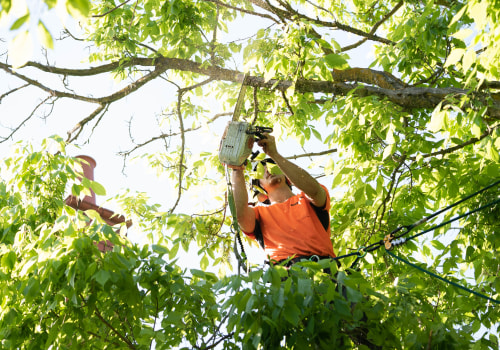
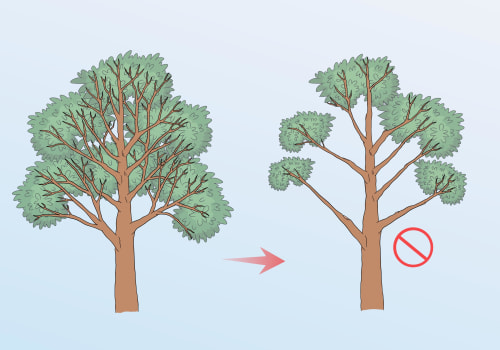
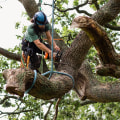
Tree branch removal is a crucial aspect of maintaining the health and safety of your trees. Whether you are a homeowner looking to enhance your landscape or a professional arborist, understanding when and why to remove tree branches can significantly impact the overall vitality of your trees. Over time, branches can become diseased, damaged, or pose a risk to nearby structures and individuals. Recognizing the average size of a tree branch that requires removal is essential for effective tree management. Typically, branches that are 2 inches in diameter or larger may need to be evaluated for removal, especially if they show signs of decay or are interfering with the growth of other healthy branches.
However, the decision to remove a branch is not solely based on its size; factors such as the tree species, its overall health, and the surrounding environment also play significant roles. For instance, branches that are too close to power lines or those that obstruct pathways should be prioritized for removal regardless of their size. In this article, we will delve deeper into the specifics of tree branch removal, exploring not only the average sizes that warrant attention but also the best practices for determining when to take action. By understanding these elements, you can ensure that your trees remain healthy and safe while enhancing the beauty of your outdoor space.
Factors Influencing Tree Branch Removal
When considering tree branch removal, several factors come into play that can influence the size and necessity of the branches to be cut. Understanding these factors is essential for both homeowners and arborists to make informed decisions.Tree Species
The species of the tree significantly affects branch size and growth patterns.For instance, hardwood trees like oaks and maples tend to have thicker, sturdier branches compared to softwoods like pines. This difference can impact the removal process, as larger branches may require specialized equipment and techniques.
Tree Health
A tree's overall health is a critical factor in determining which branches need removal. Diseased or damaged branches can pose risks to the tree's stability and surrounding structures. Signs of poor health include:- Discoloration: Leaves turning yellow or brown may indicate stress.
- Decay: Soft or mushy areas on branches suggest rot.
- Pests: Infestations can weaken branches, making them more susceptible to breakage.
Environmental Conditions
Environmental factors such as weather conditions, soil quality, and surrounding vegetation also play a role in branch size and health.For example, trees in windy areas may develop shorter, sturdier branches to withstand strong gusts, while those in sheltered locations might grow longer, more vulnerable branches. Additionally, competition for sunlight among nearby trees can lead to uneven growth patterns.In summary, understanding the various factors influencing tree branch removal—including tree species, health status, and environmental conditions—can help ensure that the right branches are targeted for removal. This not only promotes the health of the tree but also enhances safety for properties nearby.
Average Size of Tree Branches That Need Removal
When considering tree branch removal, understanding the average size of branches that typically require attention is crucial for maintaining both safety and tree health. Generally, branches that are 2 inches in diameter or larger are often prime candidates for removal, especially if they show signs of damage or disease.Here are some guidelines to help determine whether a branch should be removed based on its size:- Branches 2-4 inches in diameter: These smaller branches can often be removed without significant impact on the tree's overall health.
However, if they are dead or diseased, removal is advisable to prevent further issues.
- Branches 4-6 inches in diameter: At this size, branches may pose a greater risk if they are weak or damaged. Removal is often necessary to ensure safety, especially if they overhang structures or walkways.
- Branches over 6 inches in diameter: Larger branches typically require professional assessment. Their removal can significantly affect the tree's structure and health, so it’s essential to consult an arborist before proceeding.
Additionally, branches that interfere with the growth of healthier limbs may also need to be cut back.In summary, while the average size of tree branches needing removal can vary, focusing on branches that are 2 inches or larger, particularly those that exhibit signs of damage or pose safety risks, is a good rule of thumb. Regular inspections and maintenance can help ensure your trees remain healthy and safe.
Signs That a Tree Branch Needs to Be Removed
Recognizing the signs that a tree branch needs to be removed is crucial for maintaining the overall health of your tree. Ignoring these signs can lead to further damage, not only to the tree itself but also to surrounding structures and landscapes.- Discoloration: One of the first signs of a problematic branch is discoloration. If you notice that a branch has turned brown or black, it may indicate that it is dead or dying.
Healthy branches typically exhibit vibrant colors, so any significant change should raise a red flag.
- Decay: Inspect the branch for signs of decay, such as soft spots or fungal growth. A decaying branch can compromise the integrity of the entire tree and pose a risk of falling.
- Cracks and Splits: Visible cracks or splits in a branch can weaken its structure. If you see these signs, it’s essential to assess whether the branch poses a danger to your property or nearby individuals.
- Dead Leaves: If a branch is not producing leaves during the growing season, it may be dead. This lack of foliage can indicate that the branch is no longer receiving nutrients from the tree.
- Insect Infestation: An increase in insect activity around a specific branch can signal that it is unhealthy.
Pests often target weakened branches, making them more susceptible to damage.
Best Practices for Tree Branch Removal
When it comes to tree branch removal, following best practices is essential for ensuring safety and efficiency. Whether you're a seasoned gardener or a novice, understanding the right techniques and tools can make a significant difference.Recommended Tools for Branch Removal
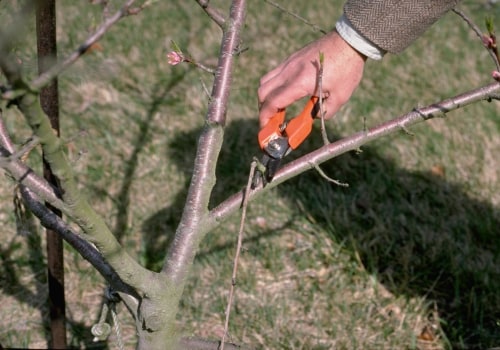
- Pruning Shears: Ideal for small branches, pruning shears provide precision and control.
- Loppers: For branches that are too thick for shears, loppers offer extended reach and leverage.
- Saws: A hand saw or a chainsaw may be necessary for larger branches.
Ensure you choose the right size based on the branch diameter.
- Safety Gear: Always wear protective eyewear, gloves, and a hard hat to shield yourself from falling debris.
Safe Branch Cutting Methods
Before you begin cutting, assess the branch's condition and its surroundings. Here are some effective methods:- The Three-Cut Method: This technique minimizes the risk of tearing the bark. Start with an undercut about one-third of the way through the branch, then make a top cut further out. Finally, make a final cut just outside the branch collar to remove the stub.
- Cutting at an Angle: Always cut at a slight angle to allow water runoff, which helps prevent rot.
- Avoiding Overhead Cuts: If possible, avoid cutting branches that are above your head to reduce the risk of injury from falling limbs.
Remember that if you're unsure about removing large branches or if the tree poses a risk to your property, it's wise to consult with a professional arborist.
DIY vs. Professional Tree Branch Removal
When it comes to tree branch removal, homeowners often face the decision of whether to tackle the job themselves or hire a professional arborist. Each option has its own set of advantages and disadvantages that should be carefully considered.DIY Tree Branch Removal
Opting for a DIY approach can be appealing for those looking to save money. Here are some pros and cons:- Pros:
- Cost-effective: You can save on labor costs by doing it yourself.
- Control: You have complete control over the process and timing.
- Satisfaction: Successfully removing a branch can provide a sense of accomplishment.
- Cons:
- Safety risks: Climbing ladders and using power tools can be dangerous without proper training.
- Lack of expertise: Without experience, you may not assess the situation correctly, leading to potential damage to your tree or property.
- Time-consuming: The process may take longer than anticipated, especially if you encounter unexpected challenges.
Hiring a Professional Arborist
On the other hand, hiring a professional can alleviate many concerns associated with tree branch removal.Consider the following:
- Pros:
- Expertise: Professionals have the training and experience to handle various situations safely and effectively.
- Safety: They are equipped with the right tools and safety gear, minimizing risks during the removal process.
- Efficiency: Professionals can often complete the job more quickly than an inexperienced homeowner.
- Cons:
- Cost: Hiring an arborist can be expensive, depending on the size and complexity of the job.
- Lack of control: You may have less say in how the job is done compared to a DIY approach.
Frequently Asked Questions About Tree Branch Removal
When it comes to tree branch removal, many homeowners have questions about the process and what to look for when deciding whether a branch should be cut. Here are some frequently asked questions that can help clarify these concerns.What size of tree branch typically needs removal?
While there is no strict rule regarding the size of a branch that should be removed, branches that are larger than 2 inches in diameter are often considered for removal, especially if they pose a risk to property or safety.However, even smaller branches can be problematic if they show signs of disease or damage.
How do I know if a branch should be removed?
- Dead or Dying Branches: If a branch is dead or shows significant signs of decay, it is best to remove it to prevent further issues.
- Overhanging Branches: Branches that hang over roofs, power lines, or walkways can pose safety hazards and should be evaluated for removal.
- Diseased Branches: If a branch is infected with pests or diseases, removing it can help protect the rest of the tree.
- Weak Structure: Branches that are weakly attached or have cracks may need to be removed to prevent them from breaking off during storms.
Can I remove branches myself?
While some small branches can be safely removed by homeowners, it is advisable to consult with a professional arborist for larger branches or those in difficult-to-reach areas. Professionals have the right tools and expertise to ensure safe and effective tree branch removal.If you are unsure about the condition of a branch or whether it should be removed, seeking advice from an expert can provide peace of mind and ensure the health of your tree.Conclusion: Key Takeaways on Tree Branch Removal
In summary, understanding the average size of a tree branch that requires removal is crucial for maintaining the health and safety of your trees. Typically, branches that are 3 inches in diameter or larger are prime candidates for removal, especially if they show signs of disease, damage, or pose a risk to nearby structures.When assessing whether a branch should be removed, consider the following key points:- Health of the Tree: Regularly inspect your trees for signs of decay or disease. Branches that are dead or dying can compromise the overall health of the tree.
- Location and Safety: Branches that overhang roofs, power lines, or walkways should be evaluated for removal to prevent potential hazards.
- Size Matters: While smaller branches can often be pruned without professional help, larger branches (generally over 3 inches) may require expert assessment and removal to ensure safety and proper technique.
Always use sharp, clean tools to make precise cuts that promote healing. If you're unsure about the health of a branch or the best approach to take, consulting with a certified arborist can provide valuable insights and ensure that your trees remain healthy and vibrant.Ultimately, proactive care and timely intervention can significantly enhance the longevity and beauty of your trees. By keeping an eye on branch sizes and conditions, you can maintain a safe environment while fostering healthy growth.