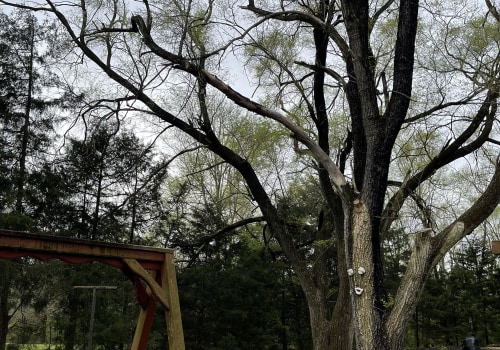
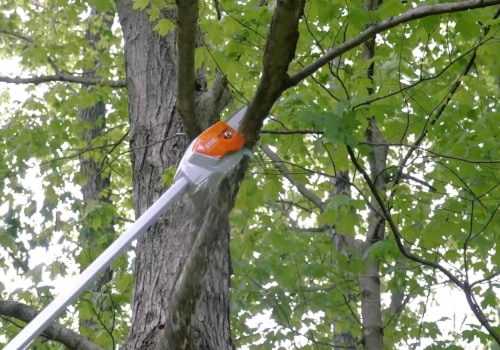
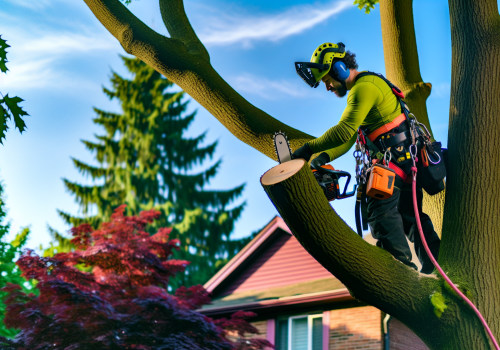
When it comes to maintaining a safe environment around your home, tree branch removal is a critical aspect that often goes overlooked. Many homeowners may not realize the potential hazards posed by tree branches that grow too close to power lines. These branches can not only disrupt electrical service but also pose serious safety risks, including the potential for fires and electrical outages. Understanding the risks associated with these branches is essential for ensuring both your safety and the integrity of your property. As trees grow, their branches can extend into the space occupied by power lines, creating a dangerous situation.
High winds or storms can cause these branches to snap or fall, leading to power outages or even catastrophic accidents. Moreover, when branches come into contact with power lines, they can create sparks that ignite nearby foliage, leading to wildfires. Therefore, assessing the proximity of tree branches to power lines is not just a matter of aesthetics; it is a vital safety concern that requires immediate attention. Neglecting to address the issue of tree branches near power lines can have severe consequences. Not only can it result in costly repairs and service interruptions, but it can also endanger lives.
Homeowners should regularly inspect their trees and consider professional tree safety assessments to identify any potential hazards. By taking proactive measures, such as timely tree branch removal, you can mitigate risks and ensure a safer living environment for you and your family.
Signs That a Tree Branch is Too Close to Power Lines
Identifying whether a tree branch is too close to power lines is crucial for safety and preventing potential hazards. Here are some signs that indicate a tree branch may pose a risk:- Proximity to Power Lines: If a branch is within 10 feet of power lines, it is considered too close. This distance can vary based on local regulations, but maintaining a safe buffer is essential.
- Visible Damage: Look for signs of wear or damage on the branch itself, such as cracks or breaks.
A damaged branch is more likely to fall, especially during storms or high winds.
- Growth Patterns: Observe the growth direction of the tree. If branches are growing towards power lines, they may need to be trimmed back to prevent future contact.
- Seasonal Changes: During heavy rain or snow, branches can become weighed down and may sag closer to power lines. Monitor these changes throughout the seasons.
- Electrical Arcing: If you notice any buzzing sounds or see sparks near the power lines, this could indicate that a branch is too close and creating an electrical hazard.
Tree branch removal
should be performed by professionals who understand the risks associated with working near power lines.Regular inspections can help maintain safety and prevent accidents.
Understanding Electrical Safety Standards
Understanding electrical safety standards is crucial for homeowners and property managers when it comes to maintaining safe distances between tree branches and power lines. These standards are designed to prevent electrical hazards that can arise from overgrown vegetation.In the United States, the National Electrical Safety Code (NESC) outlines specific regulations regarding the clearance required between tree branches and power lines. Generally, the required distance varies depending on the voltage of the power lines:- Low Voltage Lines: For lines carrying up to 750 volts, a minimum clearance of 3 feet is typically required.
- Medium Voltage Lines: For lines carrying between 750 volts and 34.5 kV, a clearance of at least 10 feet is recommended.
- High Voltage Lines: For lines above 34.5 kV, the clearance can range from 10 to 20 feet or more, depending on local regulations.
Not only does this help in avoiding potential power outages, but it also minimizes the risk of electrical fires and other hazards associated with downed power lines.In some cases, utility companies may offer services for tree branch removal, especially if the branches pose a significant risk to their infrastructure. Homeowners should also consider hiring certified arborists who are knowledgeable about both tree care and electrical safety standards.By understanding these regulations and taking proactive measures, you can ensure a safer environment around your property while maintaining healthy trees.
Assessing Your Trees: A Step-by-Step Guide
Assessing the proximity of your trees to power lines is crucial for both safety and the health of your trees. Here’s a step-by-step guide to help you evaluate your trees effectively.- Gather Your Tools: Before you start, make sure you have the necessary tools. A measuring tape, a notepad, and a camera can be very helpful for documenting your findings.
- Identify Power Lines: Locate the power lines on your property.
Take note of their height and the distance they run across your yard. This will give you a reference point for assessing nearby trees.
- Measure Distance: Using your measuring tape, measure the distance from the base of each tree to the nearest power line. A good rule of thumb is to maintain at least a 10-foot clearance between tree branches and power lines.
- Inspect Tree Health: Look for signs of tree health issues such as dead branches, disease, or decay. Trees that are unhealthy may be more prone to falling or losing branches, which can pose a risk to power lines.
- Evaluate Branch Growth: Assess the growth pattern of the branches.
If branches are growing towards the power lines or are already touching them, it’s time to consider tree branch removal.
- Document Your Findings: Take notes and photos of any trees that are too close to power lines. This documentation will be useful if you need to consult with a professional later.
When to Call a Professional for Tree Branch Removal
When it comes to tree branch removal, safety should always be your top priority.While some homeowners may feel confident in handling minor trimming tasks, there are specific scenarios where calling a professional is not just advisable but necessary.
Signs You Need Professional Help
- Proximity to Power Lines: If a tree branch is within 10 feet of power lines, it poses a significant risk. Attempting to remove branches near electrical lines can lead to serious injuries or even fatalities. In such cases, it’s best to hire professional tree removal services.
- Large or Heavy Branches: Branches that are too large or heavy for you to handle safely should be left to the experts. Professionals have the right equipment and training to manage these situations effectively.
- Tree Health Issues: If the tree is diseased or dying, removing branches can be complicated.
An arborist can assess the tree's health and determine the best course of action.
- Complex Tree Structures: Trees with multiple trunks or those that are leaning can be tricky to navigate. Professionals understand how to approach these situations without causing further damage.
Benefits of Hiring Tree Trimming Professionals
Engaging tree trimming professionals not only ensures safety but also provides several benefits:- Expertise: Professionals have the knowledge and experience to identify potential hazards and address them appropriately.
- Proper Equipment: They come equipped with specialized tools that make the job safer and more efficient.
- Time-Saving: Hiring experts allows you to focus on other important tasks while they handle the job quickly and effectively.
DIY Tree Branch Removal: Safety Tips and Techniques
When considering DIY tree branch removal, especially near power lines, safety should be your top priority. Here are some essential tips and techniques to ensure a safe and effective trimming process.Assessing the Situation
Before you start cutting, take a moment to assess the tree and its surroundings.Look for:
- Proximity to Power Lines: If a branch is within 10 feet of power lines, it’s best to call a professional. Electricity can arc, posing serious risks.
- Branch Health: Check if the branch is dead or diseased, as this can affect how it falls.
- Surrounding Area: Ensure there are no obstacles or people nearby that could be harmed during the removal process.
Essential Tools for Tree Trimming
Having the right tools is crucial for safe and efficient tree branch removal. Here are some recommended tools:- Hand Pruners: Ideal for small branches up to ¾ inch in diameter.
- Loppers: Useful for branches up to 2 inches thick, providing more leverage.
- Saw: A pruning saw or chainsaw may be necessary for larger branches. Always ensure you’re trained in using these tools safely.
- Safety Gear: Wear gloves, goggles, and a hard hat to protect yourself from falling debris.
Safe Cutting Techniques
When you’re ready to cut, follow these safe techniques:- Three-Cut Method: For larger branches, use the three-cut method to prevent tearing.
Make an undercut about a third of the way through the branch, then make a top cut further out until the branch falls.
- Aim Away from Power Lines: Always direct your cuts away from power lines and any structures.
- Work with a Partner: If possible, have someone assist you. They can help monitor the area and provide support if needed.
Frequently Asked Questions About Tree Branches and Power Lines
When it comes to tree branches and power lines, safety is a primary concern. Here are some frequently asked questions that can help clarify the risks and necessary actions regarding tree branch removal.What is the safe distance between tree branches and power lines?
Generally, it is recommended that tree branches maintain a distance of at least 10 feet from power lines.This distance helps prevent accidental contact during high winds or storms, which can lead to power outages or dangerous situations.
How can I tell if a branch is too close to power lines?
If a branch is visibly touching or within a few feet of a power line, it is likely too close. Additionally, if you notice any signs of wear on the line or the branch itself, such as fraying or bending, it’s time to consider tree branch removal.What should I do if I see branches near power lines?
- Do not attempt to trim or remove the branches yourself. This can be extremely dangerous due to the risk of electrocution.
- Contact your local utility company. They often have teams trained to handle such situations safely.
- Consider hiring a professional arborist. They can assess the situation and provide expert advice on tree branch removal.
Are there any regulations regarding tree branches near power lines?
Yes, many states have regulations that require property owners to keep trees trimmed away from power lines. These laws are in place to ensure public safety and reliable electricity service. It’s advisable to check with your local municipality for specific guidelines.What are the risks of not removing branches near power lines?
If tree branches are not properly managed, they can lead to:- Power outages: Branches can fall on lines during storms.
- Fire hazards: Contact between branches and power lines can spark fires.
- Injury: Falling branches pose a risk to people and property.
Conclusion: Ensuring Safety with Tree Branch Management
In conclusion, managing tree branches in proximity to power lines is crucial for ensuring safety and preventing potential hazards.As we have discussed, tree branch removal is not just about aesthetics; it plays a vital role in protecting both property and lives. Here are the key takeaways:
- Awareness of Distance: Always maintain a safe distance between tree branches and power lines. A general rule of thumb is to keep branches at least 10 feet away from any electrical lines.
- Regular Inspections: Conduct regular inspections of your trees, especially during storm seasons. Look for any branches that may be leaning towards power lines or showing signs of weakness.
- Professional Help: When in doubt, consult with a professional tree service.
They have the expertise to assess the situation and perform tree branch removal safely and effectively.
- Local Regulations: Be aware of local regulations regarding tree maintenance near power lines. Some areas may have specific guidelines that must be followed.