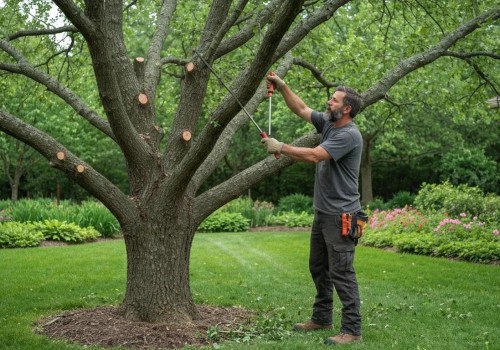
When it comes to maintaining the health and beauty of your trees, tree branch removal is a crucial practice that every tree owner should understand. Whether due to disease, damage, or simply the need for aesthetic enhancement, knowing how to properly remove a branch can significantly impact the overall vitality of the tree. Improper removal techniques can lead to long-term harm, making it essential to approach this task with care and knowledge. Effective tree care involves more than just occasional watering and fertilization; it requires a keen understanding of how each part of the tree interacts with the others. Branches that are too close together can compete for sunlight and nutrients, while dead or diseased branches can pose a risk to the entire tree.
By employing proper pruning techniques, you can ensure that your tree remains healthy and continues to thrive. In this section, we will explore the fundamentals of tree branch removal, focusing on safe practices that minimize damage to the tree. Understanding the right time and method for branch removal not only enhances the tree's appearance but also promotes its long-term health. Join us as we delve into the best practices for maintaining your trees through effective branch management.
When to Remove a Tree Branch
Knowing when to remove tree branches is essential for maintaining the overall health and aesthetics of your tree. Several signs can indicate that a branch should be removed to prevent further damage or disease spread.- Dead or Dying Branches: One of the most obvious signs is the presence of dead branches.
These branches often lack leaves or have brittle, dry wood. If you notice a branch that appears lifeless, it’s crucial to assess its condition and consider removal.
- Diseased Branches: Fungal growth, discoloration, or oozing sap can indicate disease. If a branch shows these symptoms, it may be harboring pathogens that could affect the rest of the tree. Removing diseased branches promptly can help protect the tree's health.
- Weak Growth Patterns: Sometimes, branches grow at awkward angles or are excessively crowded.
This can lead to structural weaknesses and increase the risk of breakage during storms. Identifying and removing these branches can improve the tree's overall stability.
- Pest Infestation: If you notice signs of pests, such as holes in the bark or frass (insect droppings), it may be time to remove affected branches. Pests can weaken branches and spread to other parts of the tree.
These may suggest that certain branches are compromising the tree's vitality.In summary, being vigilant about the signs of dead or unhealthy branches is key to effective tree branch removal. By addressing these issues early on, you can ensure your tree remains healthy and vibrant for years to come.
Tools and Equipment for Safe Branch Removal
When it comes to tree branch removal, having the right tools and equipment is essential for ensuring a clean cut and minimizing damage to the tree. Using improper tools can lead to jagged cuts, which may invite pests and diseases into the tree. Below are some of the most effective tools and safety equipment you should consider for safe branch removal.Essential Tools for Tree Branch Removal
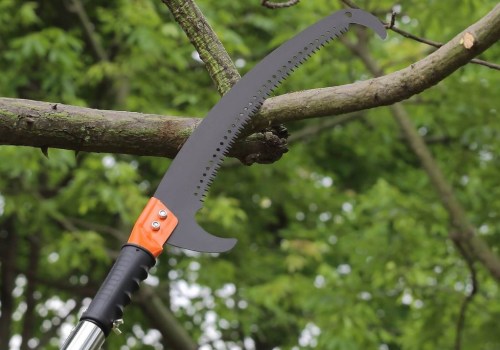
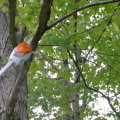
- Pruning Saws: A high-quality pruning saw is crucial for cutting through thicker branches.
Look for a saw with a curved blade, as it allows for better leverage and control.
- Loppers: For branches that are too thick for hand pruners but not large enough to require a saw, loppers are an excellent choice. They provide extra leverage and can easily cut through branches up to 2 inches in diameter.
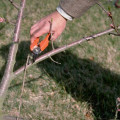
- Hand Pruners: Ideal for smaller branches, hand pruners are perfect for making precise cuts without damaging surrounding foliage. Choose a pair with sharp blades for clean cuts.
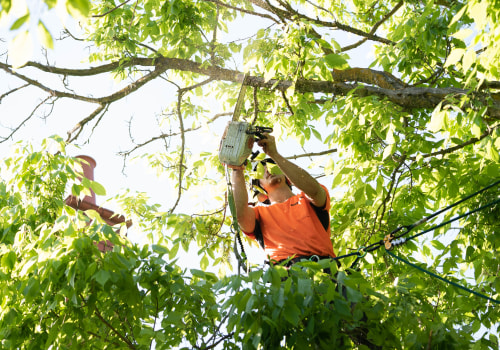
- Chainsaws: For larger branches or entire limbs, a chainsaw may be necessary. Ensure you are trained in its use, as it can be dangerous if not handled properly.
Safety Equipment
- Safety Goggles: Protect your eyes from flying debris while cutting branches.
- Gloves: A sturdy pair of gloves will protect your hands from cuts and scrapes.
- Hard Hat: If you’re working on taller trees, wearing a hard hat can protect you from falling branches.
- Climbing Harness: For high branch removal, a climbing harness is essential to ensure your safety while working at heights.
Always remember that safety should be your top priority when performing any kind of tree maintenance.
Techniques for Removing Tree Branches Without Damage
Removing a tree branch without causing damage to the rest of the tree requires careful planning and execution. Here are some effective techniques for removing tree branches safely.1.Assess the Branch
Before you begin, evaluate the branch you intend to remove. Check its size, location, and health. If the branch is large or close to power lines, consider hiring a professional.For smaller branches, follow these steps:
2.Use Proper Tools
Gather the right tools for the job:- Pruning Shears: Ideal for small branches up to ¾ inch in diameter.
- Loppers: Suitable for branches up to 2 inches thick.
- Saw: Use a handsaw or chainsaw for larger branches.
- Safety Gear: Always wear gloves, goggles, and a hard hat.
3.Pruning Techniques
Employing proper pruning techniques is crucial to minimize damage:- The Three-Cut Method: For larger branches, use this method to prevent tearing:
- Make an undercut about 12-18 inches from the trunk, cutting one-third of the way through the branch.
- Make a second cut on top of the branch, slightly further out than the first cut, allowing the branch to fall cleanly.
- The final cut should be made at the branch collar (the swollen area where the branch meets the trunk) to promote healing.
- Angle Your Cuts: Always cut at a slight angle to allow water runoff and reduce rot.
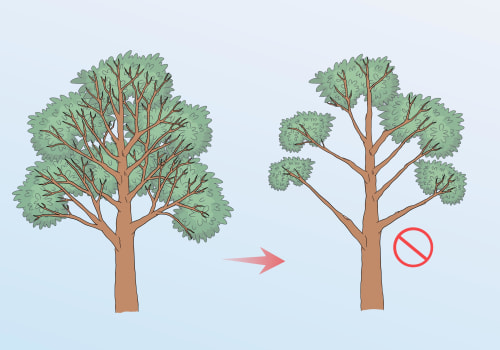
- Avoid Topping: Never cut back branches indiscriminately; this can harm the tree's health.
4.Aftercare
After removing the branch, monitor the tree for signs of stress or disease. Applying a tree wound dressing is generally not necessary but can be used in some cases to protect against pests.By following these techniques for tree branch removal, you can ensure that your tree remains healthy and continues to thrive after pruning.Aftercare for Trees Post-Branch Removal
After successfully completing tree branch removal, it is crucial to provide proper aftercare to ensure the tree's health and vitality. The removal process can cause stress to the tree, and appropriate care can help mitigate any negative effects.Watering
One of the most important aspects of post-removal care is watering. Newly exposed areas where branches were removed can lead to increased evaporation and potential dehydration.Ensure that the tree receives adequate moisture, especially during dry spells. A deep watering once a week is often sufficient, but this may vary based on your local climate and soil conditions.
Fertilization
In addition to watering, consider applying a balanced fertilizer to support the tree's recovery. Fertilizers rich in nitrogen, phosphorus, and potassium can promote healthy growth and help the tree replenish its energy reserves. However, avoid over-fertilizing, as this can lead to further stress.Monitoring for Signs of Stress
After branch removal, it’s essential to monitor the tree for any signs of stress.Look for symptoms such as:
- Wilting leaves
- Discoloration, particularly yellowing or browning
- Excessive leaf drop
- Slow growth
Common Mistakes to Avoid in Tree Branch Removal
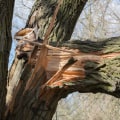
When it comes to tree branch removal, avoiding common mistakes is crucial for maintaining the health and longevity of the tree. Here are some frequent errors to watch out for:- Improper Cutting Techniques: One of the most significant mistakes is using incorrect cutting techniques. Making a flush cut can damage the tree's bark and lead to decay.
Instead, use the three-cut method: the first cut should be made on the underside of the branch, about a foot from the trunk, to prevent tearing; the second cut should be made on the top side, further out, to remove the branch; and finally, make a third cut at the trunk to leave a proper collar.
- Removing Too Much at Once: Over-pruning can stress a tree and lead to health issues. Aim to remove no more than 25% of a tree's foliage in one season. This helps maintain its natural shape and allows for better recovery.
- Ignoring Tree Species Needs: Different species have varying requirements for branch removal. Researching your specific tree type can help you understand its growth patterns and how best to prune it without causing harm.
- Neglecting Safety Precautions: Safety should always be a priority.
Failing to wear protective gear or using improper tools can lead to accidents. Always use sharp, clean tools and consider hiring a professional if the job seems too risky.
FAQs About Tree Branch Removal
When it comes to tree branch removal, many homeowners have questions about the best practices and potential impacts on their trees. Here are some frequently asked questions that can help clarify the process:What is the best time of year for tree branch removal?
The ideal time for tree branch removal is during the late winter or early spring, before new growth begins.This timing minimizes stress on the tree and reduces the risk of disease.
Can I remove a large branch without harming the tree?
Yes, it is possible to remove a large branch without damaging the tree if done correctly. Use the three-cut method: make an undercut about a third of the way through the branch, then make a top cut further out to allow the branch to fall cleanly. Finally, trim the remaining stub to promote healing.Will removing a branch affect the tree's health?
Removing a branch can affect a tree's health, especially if too much foliage is removed at once. Always assess the tree's overall structure and health before proceeding with branch removal.If unsure, consult with an arborist.
How do I know if a branch needs to be removed?
- Dead or diseased branches: Look for signs of decay or disease, such as discoloration or fungal growth.
- Crossing branches: If branches rub against each other, they can cause wounds that invite pests and diseases.
- Overcrowding: If branches are too close together, it may hinder airflow and sunlight penetration.
Should I hire a professional for tree branch removal?
If you are dealing with large branches or are unsure about how to proceed, it is advisable to hire a professional arborist. They have the expertise and equipment to safely perform tree branch removal while minimizing risks to both you and your tree.By addressing these common questions about tree care, you can make informed decisions that promote the health and longevity of your trees.Conclusion: The Importance of Proper Tree Branch Removal Techniques
In conclusion, tree branch removal is a critical aspect of tree maintenance that requires careful consideration and technique. As we have discussed, improper removal can lead to significant damage not only to the branch being cut but also to the overall health of the tree. Understanding the anatomy of a tree and the role each branch plays is essential for making informed decisions about which branches to remove.Utilizing proper techniques, such as the three-cut method, can help ensure that the tree remains healthy and continues to thrive after a branch is removed.This method minimizes the risk of tearing the bark and damaging the tree's vascular system, which is vital for nutrient transport.Moreover, timing plays a crucial role in successful tree branch removal. Performing cuts during the dormant season can reduce stress on the tree and promote quicker healing. Additionally, assessing the overall structure and health of the tree before making any cuts can prevent unnecessary damage.Ultimately, if you are unsure about how to proceed with tree branch removal, consulting with a certified arborist is highly recommended. These professionals possess the knowledge and experience necessary to make safe and effective decisions regarding tree care.By prioritizing proper techniques and timing, you can maintain not only the aesthetic appeal of your landscape but also ensure the longevity and health of your trees for years to come.