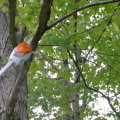
When it comes to maintaining a safe and beautiful landscape, understanding tree branch safety is paramount. Tree branches, while often overlooked, can pose significant risks if not properly monitored and maintained. A seemingly healthy branch can become a hazard due to various factors such as disease, weather conditions, or structural weaknesses. Recognizing the signs of potential danger is essential for preventing accidents and protecting both people and property. One of the key aspects of tree branch risks is the unpredictability of nature.
High winds, heavy snowfall, or even the gradual decay of a tree can lead to branches breaking off unexpectedly. This not only endangers those nearby but can also cause extensive damage to homes, vehicles, and other structures. Regular inspections and maintenance are crucial in identifying branches that may be at risk of falling in the future. Moreover, the importance of tree maintenance cannot be overstated. By investing time in assessing the health of your trees and their branches, you can mitigate risks before they escalate into serious issues.
This proactive approach not only enhances the aesthetic appeal of your landscape but also ensures a safer environment for everyone. Understanding how to evaluate tree branch safety is the first step in effective tree care and management.
Common Signs of a Risky Tree Branch
Identifying risky tree branches is crucial for maintaining safety in your yard and preventing potential damage to property or injury to individuals. Here are some common signs that a tree branch may be at risk of falling:- Cracks and Splits: Look for visible cracks or splits in the branch. These can indicate internal damage that compromises the branch's structural integrity.
- Dead or Dying Branches: Branches that are brown, brittle, or devoid of leaves during the growing season are often dead or dying.
Such branches are more likely to fall.
- Excessive Leaning: If a branch is leaning significantly to one side, it may be under stress and at risk of breaking off.
- Fungal Growth: The presence of mushrooms or other fungi on a branch can signal decay. Fungi thrive on decaying wood, indicating that the branch may be compromised.
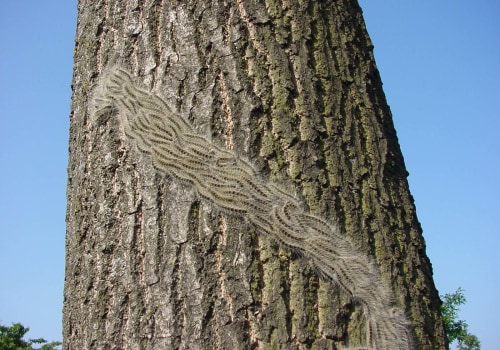
- Pest Infestation: Insects such as borers can weaken branches by tunneling through the wood. Look for holes or sawdust around the base of the branch.
- Weather Damage: After severe weather events, inspect branches for signs of damage. High winds, heavy snow, or ice can weaken branches, making them more susceptible to falling.
- Soil Conditions: Poor soil drainage can lead to root instability, affecting the overall health of the tree and its branches.
- Proximity to Structures: Branches that hang over roofs, power lines, or walkways pose a greater risk and should be monitored closely.
Consulting with a professional arborist can provide further insight into the health of your trees and help you make informed decisions about maintenance.
Physical Indicators of Weakness in Tree Branches
When assessing the health of tree branches, several physical indicators can signal potential weakness and the risk of future failure. Recognizing these signs early can help in making informed decisions about tree branch removal to prevent accidents or damage.- Cracks and Splits: Look for visible cracks or splits in the bark or wood of the branch. These can indicate internal stress and may compromise the branch's structural integrity.
- Decay and Fungal Growth: Soft, spongy areas or the presence of fungi on a branch are clear signs of decay. Fungal growth, such as mushrooms at the base of a branch, often suggests that the wood is rotting internally.
- Unusual Growth Patterns: Branches that exhibit abnormal growth, such as excessive twisting or bending, may be under stress.
This can lead to weakness over time, making them more susceptible to breaking.
- Deadwood: The presence of dead branches or twigs is a strong indicator that a branch may be unhealthy. If a branch has not produced leaves in a season or shows significant dieback, it may need to be evaluated for removal.
- Discoloration: Changes in color, such as dark streaks or patches on the bark, can indicate disease or damage. Healthy branches typically have a consistent color and texture.
Environmental Factors Contributing to Branch Instability
Understanding the environmental factors that contribute to tree branch instability is crucial for preventing potential hazards.Several external elements can significantly impact the health and strength of tree branches, making them more susceptible to falling.
Weather Impact on Branches
Extreme weather conditions are among the most significant threats to tree stability. High winds, heavy rain, and snow accumulation can place undue stress on branches. For instance:- High Winds: Strong gusts can cause branches to sway excessively, leading to fractures or breakage.
- Heavy Rain: Saturated soil can weaken root systems, making trees more prone to uprooting.
- Snow and Ice: Accumulation can add considerable weight to branches, increasing the risk of snapping.
Soil Conditions and Tree Health
The quality of the soil surrounding a tree plays a vital role in its overall health. Poor soil conditions can lead to weak root systems, which in turn affect branch stability.Key factors include:
- Soil Drainage: Waterlogged soil can suffocate roots, leading to decay and instability.
- Nutrient Deficiency: Trees lacking essential nutrients may develop weak branches that are more likely to fail.
Assessing Tree Health: A Holistic Approach
To effectively assess the health of a tree and determine the risk of branch failure, it is essential to adopt a holistic approach. This involves evaluating not just the visible aspects of the tree but also its overall condition, including its environment and any underlying issues.1.Visual Inspection:
Start with a thorough visual inspection of the tree.
Look for signs of decay, such as:
- Dead or dying branches: These are often indicators that the tree is struggling.
- Cracks or splits: Check the trunk and major branches for any structural damage.
- Fungal growth: Mushrooms or other fungi at the base or on branches can signal internal rot.
- Leaf health: Yellowing or wilting leaves may indicate stress or disease.
2.Assessing Root Health:
The roots are crucial for a tree's stability. Inspect the area around the base for:
- Soil erosion: This can expose roots and compromise stability.
- Root rot: Soft, mushy roots can indicate decay, affecting the tree's ability to anchor itself.
3.Environmental Factors:
Consider external factors that may impact tree health, such as:
- Soil quality: Poor soil can lead to weak growth and increased vulnerability.
- Water availability: Both drought and overwatering can stress a tree.
- Pests and diseases: Infestations can weaken branches and lead to failure.
When to Seek Professional Help for Tree Branch Removal
Determining when to seek professional help for tree branch removal is crucial for maintaining safety and the health of your trees.While some minor pruning can be handled by homeowners, there are specific scenarios where hiring an expert is advisable.
- Visible Damage or Decay: If you notice signs of damage such as cracks, splits, or extensive decay in a branch, it’s time to consult a professional. An arborist can assess the extent of the damage and recommend whether removal is necessary.
- Overhanging Branches: Branches that hang dangerously close to your home, power lines, or other structures pose a significant risk. Professionals can safely remove these branches to prevent potential accidents.
- Tree Health Issues: If your tree shows signs of disease or pest infestation, it may affect the stability of its branches. An arborist can diagnose the problem and determine if branch removal is part of the solution.
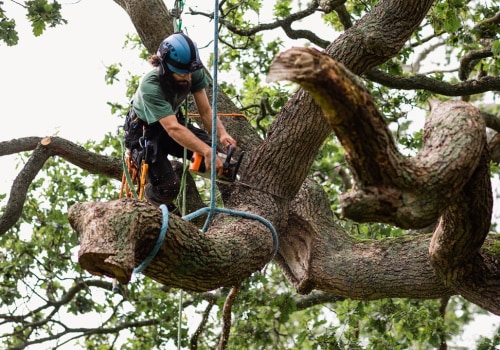
- Large or High Branches: Attempting to remove large branches without proper equipment and expertise can be hazardous.
If a branch is too high or heavy for you to manage safely, it’s best to hire a professional tree removal service.
- Multiple Branches at Risk: If several branches are showing signs of weakness or damage, it may indicate a larger issue with the tree itself. A professional can evaluate the overall health of the tree and recommend appropriate actions.
DIY Tree Branch Inspection: A Step-by-Step Guide
Inspecting your trees regularly is essential for maintaining their health and safety.Here’s a step-by-step guide to help you conduct a thorough DIY tree branch inspection.
Tools You Will Need
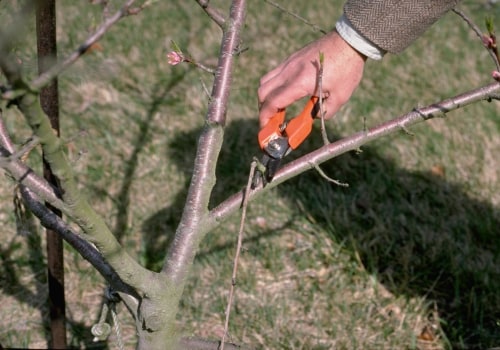
- Pruning Shears: For cutting small branches.
- Loppers: For thicker branches that are out of reach.
- Saw: A hand saw or chainsaw for larger limbs.
- Safety Gear: Gloves, goggles, and a hard hat to protect yourself.
- Ladder: If necessary, to reach higher branches safely.
Steps for Inspecting Tree Branches
- Start from the Ground: Begin your inspection by looking at the tree from a distance. Check for any obvious signs of damage, such as broken or hanging branches.
- Examine the Trunk: Look for cracks, decay, or fungal growth on the trunk. These can indicate underlying issues that may affect branch stability.
- Check Branch Structure: Inspect the branches for signs of weakness.
Look for dead or dying branches, which are often brittle and more likely to fall.
- Look for Signs of Disease: Fungal growth, discoloration, or unusual leaf drop can indicate disease. Affected branches may be at higher risk of falling.
- Evaluate Branch Angles: Branches that grow at sharp angles or are too close together can create stress points. These should be monitored closely.
Frequently Asked Questions About Tree Branch Safety and Removal
When it comes to tree branch removal, understanding the signs of a potentially dangerous branch is crucial for safety.Here are some frequently asked questions that can help you assess tree branch safety:
- What are the signs that a tree branch may fall?
Look for branches that are dead, have cracks, or show signs of decay. Additionally, branches that are excessively heavy or have an unusual lean can indicate instability. - How can I tell if a branch is diseased?
Check for discoloration, wilting leaves, or fungal growth on the bark. If a branch appears to be dying or has no leaves during the growing season, it may be time to consider removal. - What should I do if I suspect a branch is dangerous?
If you notice any concerning signs, it’s best to consult with a professional arborist. They can provide an expert assessment and recommend whether tree branch removal is necessary. - Can I remove branches myself?
While small branches can often be removed safely by homeowners, larger or higher branches should be handled by professionals to avoid injury or property damage. - How often should I inspect my trees?
Regular inspections, at least once a year, are recommended.After severe weather events, such as storms or heavy winds, it’s wise to check for any new damage.
Conclusion: Ensuring Safety Through Vigilance and Care
In conclusion, ensuring the safety of your property and loved ones requires a proactive approach to tree care. Regular inspections of your trees can help identify potential hazards before they become serious issues. By understanding the signs that indicate a tree branch may be at risk of falling, you can take appropriate action to mitigate risks.Key indicators
to watch for include:- Dead or dying branches: These are often brittle and more likely to break off during storms or high winds.
- Cracks or splits: Visible damage in the bark or wood can signal structural weakness.
- Fungal growth: Mushrooms or other fungi growing at the base of a tree can indicate decay.
- Leaning trees: A tree that has suddenly started leaning may have compromised roots.
Regular maintenance not only enhances the health of your trees but also protects your home and family from potential accidents.Ultimately, vigilance and care are key components in maintaining tree safety. By prioritizing regular inspections and being aware of the warning signs, you can ensure that your trees remain a safe and beautiful part of your landscape for years to come.