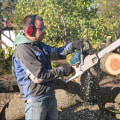
Maintaining the health of trees is crucial for both aesthetic and ecological reasons. Trees are not just beautiful additions to our landscapes; they play a vital role in our environment by providing oxygen, improving air quality, and supporting wildlife. However, like any living organism, trees require proper care and attention to thrive. One of the key aspects of tree maintenance is understanding when and how to perform tree branch removal.Dead or damaged branches can pose significant risks to the overall health of a tree.
They can become breeding grounds for pests and diseases, which may spread to other parts of the tree or even neighboring plants. Moreover, these compromised branches can fall unexpectedly, creating hazards for people and property below. Therefore, recognizing the importance of timely branch removal is essential for ensuring that your trees remain healthy and safe. In this article, we will explore whether it is necessary to remove all dead branches from a tree or just the damaged ones. By understanding the nuances of tree care, you can make informed decisions that promote longevity and vitality in your trees.
Proper maintenance not only enhances the beauty of your landscape but also contributes to a healthier ecosystem.
Understanding Dead and Damaged Branches
When it comes to tree branch removal, understanding the difference between dead branches and damaged branches is crucial for maintaining the health and aesthetics of your trees. Both types of branches can pose risks, but they require different approaches in terms of care and removal.Identifying Dead Branches
Dead branches are those that have lost their vitality and are no longer capable of supporting life. These branches often appear dry, brittle, and may have a grayish or faded color. They can be easily broken off with minimal effort.Leaving dead branches on a tree can lead to several issues:
- Pest Infestation: Dead wood can attract pests that may spread to healthy parts of the tree.
- Diseases: Fungi and bacteria thrive on dead material, potentially infecting the entire tree.
- Aesthetic Concerns: Dead branches detract from the overall appearance of the tree.
Recognizing Damaged Branches
Damaged branches, on the other hand, may still be alive but have suffered injury due to storms, heavy winds, or physical impacts. These branches might show signs of stress such as cracks, splits, or bark peeling away. While some damaged branches can heal over time, others may need to be removed to prevent further harm:- Partial Damage: If a branch is only partially damaged, it may still be viable and could recover with proper care.
- Severe Damage: Branches that are severely cracked or broken should be removed to avoid falling hazards.
Why Remove Dead Branches?
Removing dead branches from a tree is not just a matter of aesthetics; it plays a crucial role in maintaining the overall health and safety of the tree.Here are some compelling reasons to consider tree branch removal:
Benefits of Removing Dead Branches
- Promotes Healthy Growth: Dead branches can hinder the growth of healthy ones by competing for nutrients and water. By removing them, you allow the tree to focus its energy on producing new leaves and branches.
- Prevents Disease Spread: Dead branches are often breeding grounds for pests and diseases. By eliminating these branches, you reduce the risk of infection spreading to healthy parts of the tree.
- Enhances Aesthetic Appeal: A tree with dead branches can appear unkempt and unhealthy. Regular tree branch removal helps maintain a neat appearance, enhancing your landscape's overall beauty.
Tree Health Benefits
Healthy trees are more resilient against environmental stressors such as drought, storms, and pests.By removing dead branches, you improve air circulation and sunlight penetration within the canopy, which are essential for photosynthesis. This leads to a stronger, more vibrant tree that can better withstand challenges.
Risks of Dead Branches
- Safety Hazards: Dead branches pose a significant risk, especially during storms or high winds. They can fall unexpectedly, causing injury to people or damage to property.
- Pest Attraction: Insects are often attracted to dead wood, which can lead to infestations that may spread to other trees in your yard.
- Structural Weakness: A tree with multiple dead branches may develop structural weaknesses over time, making it more susceptible to breakage or collapse.
Identifying Damaged Branches: Signs to Look For
Identifying damaged branches is crucial for maintaining the health of your tree and ensuring safety in your surroundings.Here are some key signs to look for when inspecting your trees:
- Discoloration: Healthy branches typically have vibrant, green leaves. If you notice leaves that are yellowing, browning, or falling off prematurely, this could indicate a problem.
- Cracks and Splits: Examine the bark closely. Cracks or splits in the bark can be a sign of structural damage, which may compromise the branch's integrity.
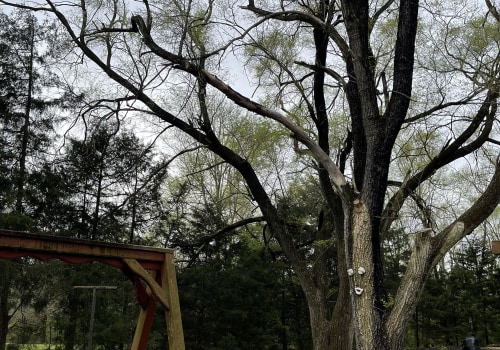
- Dead Wood: A branch that is completely devoid of leaves or has dry, brittle wood is likely dead. These branches should be removed to prevent potential hazards.
- Mushroom Growth: The presence of fungi or mushrooms on a branch can indicate decay.
This is often a sign that the wood is rotting and may need to be removed.
- Weak Growth: If a branch appears to be growing weakly or at an unusual angle, it may be struggling to support itself and could pose a risk of breaking.
When Is It Necessary to Remove All Dead Branches?
When considering tree branch removal, it’s essential to evaluate the overall health of the tree and the extent of damage to its branches. In some cases, removing all dead branches may be necessary to ensure the tree's vitality and safety.Scenarios for Removing All Dead Branches:- Severe Infestation: If a tree is infested with pests or diseases that have caused multiple branches to die, removing all affected branches can prevent further spread and promote healthier growth.
- Structural Integrity: Trees with numerous dead branches may have compromised structural integrity.
In such cases, removing all dead branches can help maintain balance and reduce the risk of falling limbs.
- Safety Concerns: If dead branches pose a risk to people or property, it’s prudent to remove them entirely. This is especially true for trees near walkways, homes, or power lines.
- Minor Damage: If only a few branches are dead or damaged, targeted removal can suffice without compromising the tree's overall health.
- Seasonal Considerations: During certain seasons, such as late winter or early spring, it may be best to wait before removing all dead branches. This allows for better assessment of the tree's condition as new growth emerges.
Best Practices for Tree Branch Removal
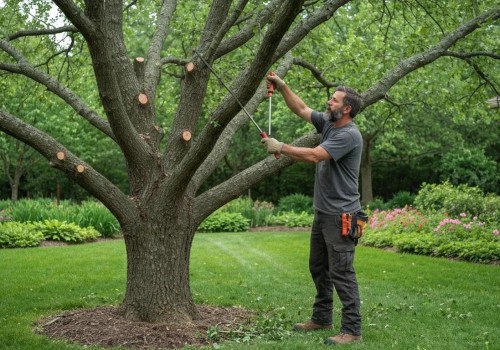
When it comes to tree branch removal, following best practices is essential for both the health of the tree and the safety of the person performing the task.Here are some effective techniques and tips to ensure a successful branch removal process.
Essential Tools for Safe Branch Removal
- Pruning Shears: Ideal for small branches, these tools provide precision and control.
- Loppers: For branches that are too thick for pruning shears, loppers offer greater leverage.
- Saw: A handsaw or chainsaw may be necessary for larger branches. Always ensure your saw is sharp for clean cuts.
- Safety Gear: Wear gloves, goggles, and a hard hat to protect yourself from falling debris.
Techniques for Effective Branch Removal
Before you begin, assess the tree and identify which branches need to be removed. Focus on those that are dead, damaged, or diseased. Here are some techniques to consider:- Cutting Angle: Make your cuts at a 45-degree angle to promote healing and prevent water accumulation on the cut surface.
- Three-Cut Method: For larger branches, use the three-cut method: first, make an undercut about a foot from the trunk; then, make a top cut further out; finally, remove the stub left behind.
- Avoid Topping: Never top a tree as it can lead to weak growth and increased susceptibility to disease.
Regularly inspecting your trees can help you catch issues early, making tree branch removal less frequent and more manageable. By adhering to these best practices, you can maintain healthy trees while ensuring safety during the removal process.
FAQs About Tree Branch Removal
When it comes to tree branch removal, many homeowners have questions about the necessity and process of removing branches. Here are some frequently asked questions that can help clarify your concerns:- Do I need to remove all dead branches?While it may seem logical to remove all dead branches, it is often sufficient to focus on those that are damaged or pose a risk. Dead branches that are still securely attached may not need immediate removal unless they threaten safety or the health of the tree.
- How can I tell if a branch is dead?A simple test involves scratching the bark with your fingernail.
If the layer underneath is brown and dry, the branch is likely dead. Additionally, look for signs of decay or fungal growth.
- What are the risks of leaving dead branches?Dead branches can attract pests and diseases, which may spread to healthy parts of the tree. They can also become hazardous during storms, potentially falling and causing injury or property damage.
- Is there a best time for tree branch removal?The ideal time for tree branch removal is during late winter or early spring when trees are still dormant. This minimizes stress on the tree and reduces the risk of disease transmission.
- Can I remove branches myself?While minor pruning can be done by homeowners, it’s advisable to consult a professional arborist for larger branches or if you’re unsure about the health of your tree.
They have the expertise to ensure safe and effective removal.
Conclusion: Making Informed Decisions About Tree Care
In conclusion, the decision to engage in tree branch removal should be approached with careful consideration and knowledge. While it may be tempting to remove all dead branches from a tree, it is essential to recognize that not all dead branches pose a threat to the tree's health or safety. Understanding the difference between damaged and healthy dead branches can significantly impact the overall well-being of your tree.Here are some key takeaways to consider:- Assess the Condition: Before proceeding with any removal, evaluate the condition of each branch. Look for signs of disease, decay, or structural weakness.
- Prioritize Safety: Focus on removing branches that are hazardous, such as those that are dead and at risk of falling or those that interfere with power lines.
- Encourage Healthy Growth: Retaining some dead branches can sometimes benefit the tree by providing habitat for beneficial insects and fungi that contribute to its ecosystem.
- Consult Professionals: When in doubt, seek advice from certified arborists who can provide expert guidance tailored to your specific tree species and local environment.
By understanding when and why to remove branches, you can ensure that your trees remain vibrant and resilient for years to come.