When it comes to tree branch removal, understanding the importance of using the right tools cannot be overstated. Whether you're a seasoned gardener or a homeowner looking to maintain your landscape, having the appropriate equipment is crucial for both safety and efficiency. Improper tools can lead to accidents, damage to the tree, or even harm to surrounding property. Therefore, equipping yourself with the right tools is the first step towards a successful and safe tree branch removal process. There are various tools designed specifically for tree branch removal, each serving a unique purpose.
From hand pruners for small branches to chainsaws for larger limbs, knowing which tool to use in different scenarios can make all the difference. Additionally, safety gear such as gloves, goggles, and helmets should not be overlooked, as they protect you from potential injuries while working at heights or with sharp equipment. In this article, we will delve deeper into the essential tools required for effective and safe tree branch removal. By understanding these tools and their applications, you can approach your tree maintenance tasks with confidence, ensuring that your trees remain healthy and your yard stays beautiful. Let's explore the various options available and how they can help you achieve your landscaping goals.
Understanding Tree Branch Removal
Tree branch removal is a crucial aspect of tree maintenance that involves the careful cutting and removal of branches from a tree.This process is essential for various reasons, ranging from safety to enhancing the overall health and appearance of the tree.
Reasons for Tree Branch Removal
- Safety Concerns: One of the primary reasons for tree branch removal is to mitigate safety hazards. Overgrown or dead branches can pose a risk to people, pets, and property, especially during storms or high winds. Removing these branches helps prevent accidents and damage.
- Aesthetics: Maintaining the visual appeal of your landscape is another important reason for branch removal. Uneven or excessively dense foliage can detract from the beauty of your yard.
Pruning branches can help shape the tree and improve its overall appearance.
- Tree Health: Regularly removing unhealthy or diseased branches promotes better air circulation and sunlight penetration, which are vital for the tree's health. This practice can prevent the spread of disease and encourage new growth.
- Encouraging Growth: In some cases, removing certain branches can stimulate growth in other areas of the tree. By selectively pruning, you can direct energy towards healthier parts of the tree, leading to a more robust structure.
Essential Tools for Tree Branch Removal
When it comes to tree branch removal, having the right tools is essential for both safety and efficiency.Below is a list of the most important tools you will need:
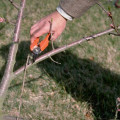
- Pruning Shears: Ideal for small branches, pruning shears are perfect for making clean cuts on branches up to ¾ inch thick. They are lightweight and easy to handle, making them a favorite among gardeners.
- Loppers: For branches that are thicker than what pruning shears can handle, loppers come into play. These long-handled tools provide extra leverage, allowing you to cut branches up to 2 inches in diameter with ease.
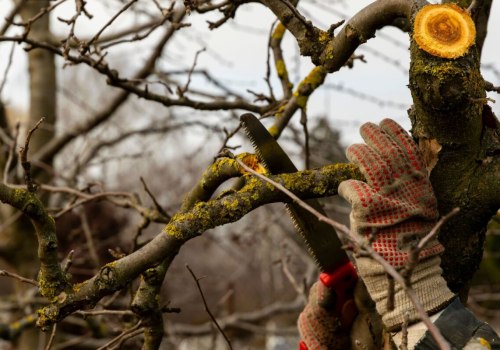
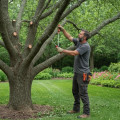
- Saw: A hand saw or a pole saw is necessary for larger branches. A hand saw is suitable for branches that are within reach, while a pole saw allows you to reach higher branches without the need for a ladder.
- Chainsaw: For heavy-duty tree branch removal, a chainsaw is often the best choice.
It can quickly cut through thick branches and even entire trees. However, it requires proper training and safety gear due to its power.
- Safety Gear: Never underestimate the importance of safety when removing tree branches. Equip yourself with gloves, goggles, and a hard hat to protect against falling debris.
Hand Tools for Tree Branch Removal
When it comes to tree branch removal, having the right hand tools can make all the difference in efficiency and safety.Two of the most essential hand tools for this task are pruning shears and loppers.
Pruning Shears
Pruning shears, also known as hand pruners, are ideal for cutting small branches and stems. They typically have a blade length of 2 to 8 inches, making them perfect for precision work. Here are some key features and advantages:- Size and Weight: Lightweight and easy to handle, pruning shears allow for extended use without fatigue.
- Types: There are two main types: bypass shears, which have curved blades that slide past each other, and anvil shears, which have a straight blade that cuts against a flat surface.
- Best Use: Ideal for cutting live branches up to ¾ inch thick, pruning shears are perfect for shaping plants and removing dead or diseased wood.
Loppers
Loppers, on the other hand, are designed for larger branches. They feature long handles that provide extra leverage, making it easier to cut through thicker limbs.Here’s what you need to know:
- Handle Length: Lopper handles can range from 18 to 36 inches, allowing you to reach higher branches without a ladder.
- Cutting Capacity: They can typically handle branches up to 2 inches in diameter, making them suitable for more substantial pruning tasks.
- Types: Similar to pruning shears, loppers come in bypass and anvil styles, with bypass loppers being preferred for live wood due to cleaner cuts.
Power Tools for Tree Branch Removal
When it comes to tree branch removal, having the right power tools can make a significant difference in efficiency and safety.Two of the most effective tools for this task are chainsaws and pole saws.
Chainsaws
Chainsaws are ideal for cutting through larger branches and even entire trees. They come in various sizes, from lightweight models suitable for small jobs to heavy-duty versions designed for professional use. When using a chainsaw, it’s crucial to follow safety precautions:- Wear protective gear: Always use safety goggles, gloves, and ear protection.
- Check the chain: Ensure the chain is sharp and properly tensioned before starting.
- Maintain a firm grip: Hold the chainsaw with both hands and keep your feet firmly planted.
Pole Saws
Pole saws, on the other hand, are perfect for reaching high branches without the need for a ladder. These tools extend your reach, allowing you to cut branches that are out of arm's length.They can be powered by electricity or gas, with electric models being quieter and easier to handle. Here are some tips for using pole saws effectively:
- Stabilize your stance: Stand on stable ground to maintain balance while cutting.
- Aim carefully: Make sure you have a clear path for the branch to fall.
- Use two hands: Always operate the pole saw with both hands for better control.
Safety Equipment for Tree Branch Removal
When it comes to tree branch removal, ensuring your safety should be the top priority. Working with trees can be hazardous, and having the right safety equipment is essential to prevent injuries.Below are some key pieces of protective gear you should consider:
- Helmet: A hard hat protects your head from falling branches and debris. Look for helmets that meet safety standards and include a face shield for added protection.
- Safety Goggles: Protect your eyes from flying wood chips and dust. Safety goggles should fit snugly and provide a clear view while working.
- Gloves: Durable gloves are crucial for protecting your hands from cuts, scrapes, and splinters. Choose gloves that offer a good grip while allowing for dexterity.
- Hearing Protection: If you’re using power tools like chainsaws, earplugs or earmuffs can help protect your hearing from loud noises.
- Steel-Toed Boots: Footwear with steel toes can protect your feet from heavy falling branches.
Ensure they have good traction to prevent slips.
By prioritizing safety and using the appropriate equipment, you can make your tree branch removal tasks much safer and more efficient.
Techniques for Effective Tree Branch Removal
When it comes to tree branch removal, employing the right techniques is crucial for ensuring the health of the tree and safety of the surrounding area. Here are some effective methods to consider:- Three-Cut Method: This technique is ideal for larger branches. Start with an undercut about one-third of the way through the branch, a few inches from the trunk. Next, make a top cut further out on the branch, allowing it to fall without tearing the bark.
Finally, remove the stub by cutting just outside the branch collar.
- Notch Cut: For branches that are particularly heavy or at risk of breaking, a notch cut can help control the direction of the fall. Create a notch on the side facing the direction you want the branch to fall, followed by a back cut on the opposite side.
- Drop-Cut Technique: This method is useful for smaller branches. Simply cut through the branch without any preliminary cuts, allowing it to drop safely to the ground.
Additionally, consider using a ladder or climbing gear if you need to reach higher branches.It’s also important to assess the tree’s health before proceeding with branch removal. Look for signs of disease or decay, as removing a compromised branch can sometimes exacerbate issues. If in doubt, consulting with an arborist can provide valuable insights into proper methods and techniques tailored to your specific tree species.By following these techniques and taking necessary precautions, you can effectively manage tree branch removal while promoting a healthy environment for your trees.
When to Hire a Professional for Tree Branch Removal
While tree branch removal can often be a DIY task, there are specific scenarios where hiring a professional is not just advisable but essential for safety and efficiency. Understanding when to call in the experts can save you time, money, and potential injury.Complexity of the Job
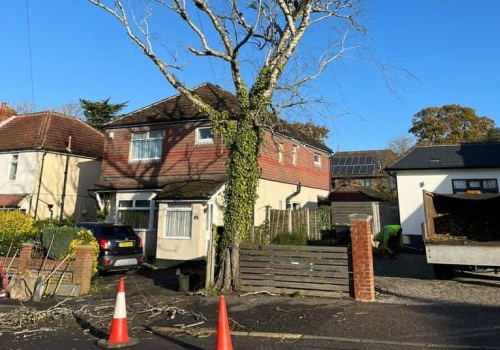
If the branches you need to remove are large, heavy, or located high up in the tree, it’s wise to consider professional services.These situations often require specialized equipment such as cherry pickers or cranes, which most homeowners do not have access to. Professionals are trained to handle these tools safely and effectively.
Safety Risks
Tree branch removal can pose significant risks, especially if you are not experienced. Falling branches can cause serious injuries or damage to property. If the branches are near power lines or structures, the risk increases dramatically.Professionals are equipped with the knowledge and safety gear necessary to mitigate these hazards.
Health of the Tree
Sometimes, removing branches is not just about clearing space; it’s about maintaining the health of the tree. A professional arborist can assess whether certain branches should be pruned or removed entirely to promote growth and prevent disease. Their expertise ensures that your tree remains healthy and vibrant.Legal Considerations
In some areas, there may be regulations regarding tree removal, especially if they are on public property or protected species. Professionals are familiar with local laws and can navigate any necessary permits or regulations on your behalf.In conclusion, while tree branch removal can be a manageable task for many homeowners, recognizing when to hire a professional is crucial for ensuring safety and preserving the health of your trees.If you find yourself facing any of the above scenarios, it’s best to consult with a qualified expert.
FAQs About Tree Branch Removal Tools
When it comes to tree branch removal, many homeowners have questions about the tools required for the job. Here are some frequently asked questions that can help clarify your options.What are the essential tools for tree branch removal?
- Pruning Shears: Ideal for small branches, pruning shears are perfect for precise cuts and can easily handle branches up to ¾ inch in diameter.
- Loppers: For branches that are thicker (up to 2 inches), loppers provide more leverage and cutting power than pruning shears.
- Saws: A hand saw or a pole saw is necessary for larger branches. A pole saw allows you to reach high branches without needing a ladder.
- Chainsaw: For very large branches or entire trees, a chainsaw is the most efficient tool. However, it requires more skill and safety precautions.
How do I choose the right tool for my needs?
Choosing the right tool depends on the size of the branches you need to remove.For small, manageable branches, pruning shears or loppers are sufficient. If you're dealing with larger limbs, consider using a saw or a chainsaw. Always assess your comfort level with each tool, especially when it comes to safety.
Are there any safety concerns I should be aware of?
Absolutely! Safety should always be your top priority when performing tree branch removal. Here are some tips:- Wear protective gear such as gloves, goggles, and a hard hat.
- Ensure your tools are well-maintained and sharp to prevent accidents.
- If using a chainsaw, familiarize yourself with its operation and follow all safety guidelines.
Conclusion: Choosing the Right Tools for Tree Branch Removal Success
In conclusion, successful tree branch removal hinges on the careful selection of the right tools and adherence to safety protocols.As we have discussed, the variety of tools available—from hand pruners for small branches to chainsaws for larger limbs—ensures that you can tackle any job effectively. However, it is not just about having the right equipment; understanding how to use these tools safely is equally crucial.When preparing for a tree branch removal project, consider the following key points:
- Assess the Size of the Branch: Choose tools that are appropriate for the size and weight of the branches you need to remove. For instance, a pole saw is ideal for high branches, while a handsaw may suffice for smaller ones.
- Prioritize Safety Gear: Always wear protective gear such as gloves, goggles, and hard hats to safeguard against falling debris and sharp tools.
- Check Tool Condition: Ensure that all tools are in good working order before starting your project. Dull blades or malfunctioning equipment can lead to accidents and ineffective cuts.
- Plan Your Approach: Have a clear strategy for how you will remove branches, especially if they are large or near power lines.
This planning can prevent accidents and ensure a smoother process.