When it comes to maintaining the health and safety of your landscape, tree branch removal is a critical task that should not be overlooked. Over time, trees can develop large or heavy branches that pose risks to both property and people. These branches can become hazardous during storms, leading to potential damage or injury. Understanding the importance of safe branch removal techniques is essential for any homeowner or tree care enthusiast. Not only does removing heavy branches help prevent accidents, but it also promotes the overall health of the tree.
Dead or diseased branches can hinder a tree's growth and vitality, making it more susceptible to pests and diseases. By prioritizing tree care through proper branch removal, you can ensure that your trees remain strong and vibrant for years to come. This article will delve into various techniques for effectively removing large branches while minimizing risk. Whether you are a seasoned gardener or a novice homeowner, understanding these methods will empower you to take charge of your landscape's safety and aesthetics. Join us as we explore the best practices for tree branch removal, ensuring that your trees thrive while keeping your surroundings safe.
Assessing the Situation: When to Remove Tree Branches
When it comes to tree branch removal, understanding when to take action is essential for maintaining the health of your trees and ensuring safety in your surroundings.Here are some key indicators that a tree branch may need to be removed:
- Signs of Dead Branches: One of the most obvious signs that a branch should be removed is if it appears dead. Look for branches that are brittle, lack leaves during the growing season, or have a grayish color. If you notice any of these signs, it’s time to consider removing the branch.
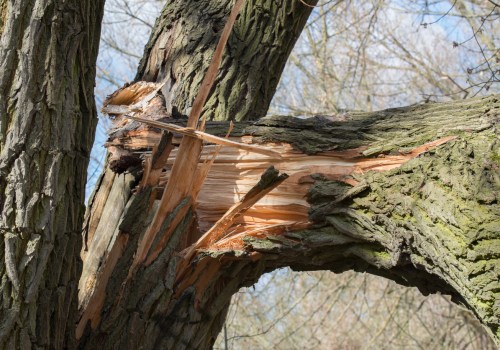
- Visible Damage: Inspect branches for any visible damage such as cracks, splits, or breaks. These can compromise the structural integrity of the branch and pose a risk of falling.
- Pest Infestation: If you see signs of pests or disease, such as holes in the bark or fungal growth, it may indicate that the branch is unhealthy.
In such cases, removal can prevent the spread of disease to other parts of the tree.
- Overcrowding: Sometimes branches grow too close together, leading to overcrowding. This can restrict airflow and sunlight, making it difficult for the tree to thrive. Removing some branches can improve overall tree health.
- Proximity to Structures: If branches are growing too close to buildings, power lines, or other structures, they may need to be removed to prevent potential damage or hazards.
A healthy tree will have vibrant leaves and a sturdy trunk. If you notice any abnormalities in these areas along with problematic branches, it may be time to consult a professional arborist.In summary, recognizing when to remove tree branches involves careful observation and assessment of both individual branches and overall tree health. By being proactive about tree branch removal, you can help ensure your trees remain healthy and safe for years to come.
Essential Tools for Tree Branch Removal
When it comes to tree branch removal, having the right tools is essential for both safety and efficiency. Below are some of the most important tools you should consider for effectively removing large or heavy tree branches.- Pruning Saws: These are specialized saws designed for cutting through thick branches.
They come in various sizes, with curved blades that allow for smooth cuts. A pruning saw is ideal for branches that are too thick for standard hand tools.
- Loppers: Loppers are long-handled shears that provide extra leverage, making them perfect for cutting branches up to 2 inches in diameter. Their long handles allow you to reach higher branches without the need for a ladder, which enhances safety.
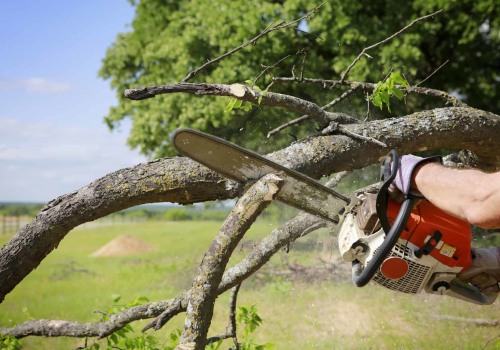
- Chainsaws: For larger branches, a chainsaw may be necessary. These power tools can quickly cut through thick wood but require careful handling.
Always ensure you are trained in using a chainsaw and follow all safety protocols.
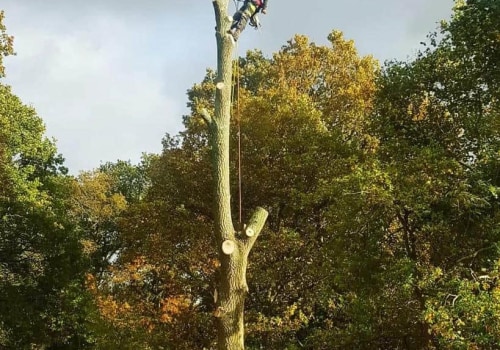
- Rope and Pulley System: For particularly heavy branches, a rope and pulley system can help lower the branch safely to the ground. This method reduces the risk of injury and damage to surrounding areas.
- Safety Gear: Never underestimate the importance of safety gear when performing tree branch removal. Essential items include hard hats, safety goggles, gloves, and steel-toed boots. These items protect you from falling debris and sharp tools.
Proper equipment not only makes the job easier but also significantly reduces the risk of accidents. Always prioritize safety by wearing appropriate gear and following best practices when using these tools.
Techniques for Removing Large or Heavy Tree Branches
Removing large or heavy tree branches can be a daunting task, but with the right techniques for removing heavy branches, it can be done safely and effectively. Here are some proven methods to help you tackle this job.1.Assess the Situation
Before you begin, evaluate the branch you intend to remove. Check for:- Size and weight of the branch
- Proximity to power lines or structures
- Overall health of the tree
2.Gather Necessary Tools
Ensure you have the right tools for the job:- Chainsaw or handsaw: For larger branches.
- Loppers: For smaller, manageable branches.
- Rope: To guide the branch as it falls.
- Safety gear: Including gloves, goggles, and a hard hat.
3.Use the Proper Cutting Technique
Follow these steps for safe branch cutting:- Make a notch cut: Start on the underside of the branch, cutting about one-third of the way through.
This will prevent the bark from tearing.
- Create a back cut: Move to the top side of the branch, slightly above your notch cut, and cut through until the branch begins to fall.
- Guide the fall: Use a rope if necessary to control where the branch lands, ensuring it falls away from people and structures.
4.Clean Up Safely
After removing the branch, ensure you:- Remove any debris from the area.
- Inspect your tools for damage.
- Store tools safely to prevent accidents.
Safety Precautions During Tree Branch Removal
When it comes to tree branch removal, safety should always be your top priority. Removing large or heavy branches can pose significant risks, including falling debris and potential injuries. To ensure a safe working environment, follow these essential safety precautions.Protective Gear
- Hard Hat: Always wear a hard hat to protect your head from falling branches or tools.
- Safety Glasses: Protect your eyes from flying debris by wearing safety glasses or goggles.
- Gloves: Use heavy-duty gloves to safeguard your hands from cuts and scrapes while handling branches.
- Steel-Toed Boots: Wear steel-toed boots to protect your feet from heavy falling objects.
- Hearing Protection: If using power tools, consider wearing ear protection to prevent hearing damage.
Site Assessment
Before starting the tree branch removal, conduct a thorough assessment of the area.Look for:
- Power Lines: Ensure that no branches are near electrical lines, as this can lead to electrocution.
- Ground Stability: Check the ground for stability; avoid working on slopes or uneven surfaces that could lead to falls.
- Nearby Structures: Be aware of nearby buildings, vehicles, or other structures that could be damaged during the removal process.
Proper Techniques
Utilizing the right techniques is crucial for safe tree branch removal. Here are some tips:- Cuts: Make clean cuts to prevent branches from splintering and falling unpredictably.
- Support: Use ropes or straps to control the direction of falling branches, especially if they are large or heavy.
- Teamwork: If possible, work with a partner. Having someone else on-site can help in case of emergencies.
What to Do After Removing a Tree Branch
After successfully removing a tree branch, it’s crucial to focus on the aftercare for the tree to promote healing and maintain its health.Here are some essential steps to follow:
1.Inspect the Tree
Begin by examining the tree for any signs of damage or stress. Look for broken bark, exposed wood, or any signs of disease. If you notice any issues, consider consulting a professional arborist for advice.2.Clean Up the Area
Once the branch is removed, it’s important to clean up the surrounding area. This includes:- Removing debris: Collect and dispose of any fallen leaves, twigs, or pieces of the branch that may have scattered during removal.
- Chipping or cutting: If the branch is large, consider using a wood chipper or saw to break it down into manageable pieces for disposal or composting.
- Storing wood: If you plan to keep the wood for firewood or other uses, stack it properly in a dry area away from the tree.
3.Apply Wound Dressing (if necessary)
If the cut is large and exposes significant wood, applying a wound dressing can help protect the tree from pests and diseases.However, many experts recommend allowing trees to heal naturally without dressing unless absolutely necessary.
4.Watering and Fertilization
Ensure that the tree receives adequate water following branch removal, especially during dry spells. A deep watering can help support recovery. Additionally, consider applying a balanced fertilizer to provide essential nutrients that may have been depleted during the removal process.5.Monitor Tree Health
Keep an eye on your tree over the following weeks and months. Look for new growth and signs of recovery.Regularly check for pests or diseases that could affect its health.By following these aftercare steps, you can help ensure that your tree remains healthy and resilient after branch removal. Proper maintenance not only benefits the tree but also enhances the overall landscape.
Frequently Asked Questions About Tree Branch Removal
When it comes to tree branch removal, many homeowners have questions about the best practices and techniques. Here are some of the most frequently asked questions:- What tools do I need for tree branch removal? For small branches, a pair of pruning shears or loppers may suffice. However, for larger branches, you might need a chainsaw, a handsaw, or a pole saw.
Always ensure your tools are sharp and in good condition to make clean cuts.
- Is it safe to remove large branches myself? While some homeowners may feel comfortable tackling tree branch removal, it can be dangerous, especially if the branches are heavy or near power lines. If you're unsure, it's best to consult with a professional arborist.
- When is the best time to remove tree branches? The ideal time for tree branch removal is during late winter or early spring before new growth begins. This timing minimizes stress on the tree and reduces the risk of disease.
- How do I know if a branch needs to be removed? Look for signs such as dead or dying branches, those that are crossing or rubbing against each other, or branches that pose a risk to structures or power lines. If in doubt, seek expert advice.
- Can I remove branches without harming the tree? Yes, proper techniques such as making clean cuts and avoiding excessive pruning can help maintain the health of the tree.
Always follow the three-cut method for larger branches: make an undercut, then a top cut, and finally remove the stub.
Conclusion: Key Takeaways on Tree Branch Removal Techniques
In conclusion, tree branch removal is a task that requires careful planning and execution to ensure safety and effectiveness. Understanding the various techniques available can make a significant difference in how efficiently you can remove large or heavy branches. Here are the key takeaways to remember:- Assess the Situation: Before starting any removal process, evaluate the branch's size, weight, and its position relative to structures and power lines. This assessment will guide your choice of tools and techniques.
- Use Proper Tools: Equip yourself with the right tools such as chainsaws, pole saws, or hand saws. Each tool has its specific use case, so choose wisely based on the branch's size and location.
- Follow Safety Protocols: Always wear protective gear including gloves, goggles, and hard hats.
Ensure that you have a clear area around you to avoid accidents during the cutting process.
- Employ the Right Techniques: Techniques such as the three-cut method for larger branches can prevent tearing of the bark and ensure a clean cut. For heavy branches, consider using a rope to lower them safely to the ground.
- Consider Professional Help: If a branch poses significant risks or is too large for safe removal, it may be best to hire a professional arborist. Their expertise can save time and reduce hazards.