Understanding tree health is crucial for maintaining the vitality of your landscape. Trees, much like humans, can suffer from various ailments that affect their overall well-being. Recognizing the signs of tree disease early on can make a significant difference in the treatment options available. Common indicators include discolored leaves, unusual growth patterns, and the presence of fungi or pests.
These symptoms often manifest in the branches, which are vital for the tree's photosynthesis and nutrient transport. When a tree branch shows signs of disease, it raises an important question: can it be saved, or does it require tree branch removal? The answer depends on several factors, including the type of disease affecting the branch, its severity, and the overall health of the tree. Some diseases can be managed with proper care and treatment, while others may necessitate the removal of affected branches to prevent further spread and protect the tree's health. In this section, we will delve deeper into the common diseases that afflict tree branches and how to identify them. By understanding these issues, you can make informed decisions about whether to attempt to save a diseased branch or to proceed with removal. This knowledge not only helps in preserving your trees but also enhances the beauty and safety of your outdoor space.
Identifying Diseased Tree Branches
Identifying diseased tree branches is crucial for maintaining the health of your tree and ensuring safety in your yard.Recognizing the signs early can help you decide whether a branch can be saved or if it requires removal.
- Discoloration: One of the first signs of a diseased branch is a change in color. Look for branches that exhibit yellowing, browning, or blackening. These color changes often indicate that the branch is not receiving adequate nutrients or is suffering from a fungal infection.
- Wilting or Drooping: Healthy branches should be firm and upright. If you notice a branch that appears limp or drooping, it may be a sign of disease or decay.
- Dead Wood: Check for sections of the branch that are dry and brittle.
If you can easily snap off pieces of wood, this indicates that the branch is dead or dying.
- Fungal Growth: The presence of mushrooms, conks, or other fungal growths on or around a branch is a clear indicator of decay. Fungi thrive on dead or dying wood, so their appearance should not be ignored.
- Cracks and Splits: Look for physical damage such as cracks, splits, or peeling bark. These can be entry points for pests and diseases, further compromising the health of the branch.
- Pest Infestation: Insects such as borers can cause significant damage to tree branches. If you see holes in the bark or notice an unusual number of insects around a branch, it may be time to assess its health.
Consulting with an arborist can provide you with expert advice on whether the affected branch can be treated or if it should be removed to protect the overall health of your tree.
Common Tree Diseases Affecting Branches
Tree branches can be susceptible to a variety of diseases that not only affect their health but also the overall vitality of the tree. Understanding these common tree diseases is crucial for effective tree branch removal and management.- Powdery Mildew: This fungal disease appears as a white, powdery substance on leaves and branches. It thrives in warm, dry conditions and can weaken branches, making them more prone to breakage.
- Anthracnose: Caused by a group of fungi, anthracnose leads to dark, sunken lesions on leaves and branches. It can cause premature leaf drop and weaken the tree's structure, necessitating careful monitoring and potential removal of affected branches.
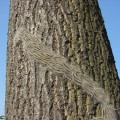
- Canker Diseases: These are localized infections that create sunken areas on the bark.
Cankers can girdle branches, cutting off nutrient flow and leading to dieback. Identifying cankers early is essential for determining whether a branch can be saved or should be removed.
- Fire Blight: Particularly common in fruit trees, fire blight causes branches to wilt and turn black, resembling a burn. This bacterial infection spreads quickly and often requires the removal of infected branches to protect the rest of the tree.
- Leaf Spot: Various fungi and bacteria cause leaf spot diseases, leading to discolored spots on leaves and sometimes affecting branches. While often not fatal, severe cases may require branch removal to prevent further spread.
Regular inspections can help identify issues early, allowing for timely intervention. If a branch shows signs of disease, consulting with an arborist can provide guidance on whether it can be treated or if tree branch removal is necessary to safeguard the entire tree.
Can Diseased Tree Branches Be Saved?
When faced with diseased tree branches, the first instinct may be to remove them entirely. However, in some cases, it is possible to save these branches through proper treatment and care. Understanding the type of disease affecting the branch is crucial in determining the best course of action.Identifying the Disease
- Look for signs such as discoloration, wilting leaves, or unusual growths.
- Consult a local arborist or extension service for accurate diagnosis.
Pruning Techniques
If the disease is localized, pruning can be an effective method to save the branch.
Here are some tips:
- Use clean, sharp tools: Always sterilize your pruning shears before and after use to prevent spreading the disease.
- Cut at the right angle: Make cuts at a 45-degree angle to promote healing and reduce water accumulation on the cut surface.
- Remove affected areas: Cut back to healthy wood, ensuring you eliminate all diseased tissue.
Treatment Options
After pruning, consider applying treatments that can help restore health to the tree:
- Fungicides: If a fungal infection is present, applying a suitable fungicide can help control its spread.
- Pesticides: For insect-related diseases, targeted pesticides may be necessary to eliminate pests that weaken the branch.
- Nutritional support: Fertilizing the tree can enhance its overall health and resilience against diseases.
Ongoing Care
After treatment, ongoing care is essential. Regularly monitor the branch for any signs of recurring disease and ensure that the tree receives adequate water and nutrients. Mulching around the base can also help retain moisture and suppress weeds.If after all efforts the branch does not show signs of recovery, it may be time to consider tree branch removal. Always prioritize the health of the entire tree when making these decisions.
When to Remove a Diseased Tree Branch
Determining when to remove a diseased tree branch is crucial for maintaining the overall health of your tree.Several factors can indicate that a branch should be removed to prevent further damage or disease spread.
- Visible Signs of Disease: Look for discoloration, fungal growth, or decay on the branch. If the bark is peeling or there are large cracks, these are strong indicators that the branch is compromised.
- Dead or Dying Branches: If a branch appears dead, with no leaves or buds during the growing season, it is likely time for removal. Dead branches can attract pests and diseases that may affect the entire tree.
- Weak Structure: A branch that is weakly attached to the tree or has a significant lean may pose a risk of breaking off, especially during storms. Such branches should be evaluated for removal.
- Impact on Tree Health: If the diseased branch is competing for resources with healthy branches, it may be beneficial to remove it.
This allows the tree to redirect energy towards healthier growth.
- Pest Infestation: If you notice an infestation of pests on a specific branch, it may be necessary to remove that branch to prevent the pests from spreading to other parts of the tree.
The Tree Removal Process: What You Need to Know
When it comes to tree branch removal, understanding the process is crucial for ensuring safety and effectiveness. Whether you're dealing with a diseased branch or one that poses a risk to your property, knowing how to approach the situation can make all the difference.Assessing the Situation
Before you begin, assess the condition of the branch.Look for signs of disease, such as discoloration, wilting leaves, or fungal growth. If the branch is significantly damaged or poses a risk of falling, it may be best to consult with a professional.
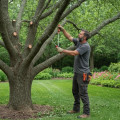
DIY Tree Branch Removal
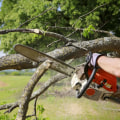
If you decide to tackle the removal yourself, follow these steps:- Gather Your Tools: You will need a pruning saw or chainsaw, safety goggles, gloves, and a sturdy ladder if necessary.
- Plan Your Cuts: Make sure to plan your cuts carefully. For larger branches, use the three-cut method: make an undercut about a third of the way through the branch, then make a top cut further out to allow the branch to fall safely.
- Remove Smaller Branches First: If the branch has smaller offshoots, remove these first to reduce weight and make the main cut easier.
- Cut at an Angle: When making your final cut, do so at an angle to promote healing and prevent water from pooling on the cut surface.
When to Hire Professionals
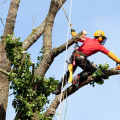
If you're unsure about your ability to safely remove a branch or if it’s particularly large or close to power lines, it’s wise to hire professional tree removal services. Experts have the experience and equipment necessary to handle complex removals safely.They can also assess whether other branches or parts of the tree may need attention.In conclusion, while tree branch removal can often be a DIY task, knowing when to seek professional help is key to ensuring both your safety and the health of your tree.
Preventing Future Tree Diseases
Maintaining healthy trees is essential for preventing diseases that can lead to the need for tree branch removal. Here are some effective tips to ensure your trees remain robust and disease-free:- Regular Inspections: Conduct routine checks on your trees for any signs of disease or damage. Look for discolored leaves, unusual growths, or dead branches.
- Proper Pruning: Prune your trees at the right time of year to remove dead or diseased branches. This not only improves air circulation but also encourages healthy growth.
- Watering Wisely: Ensure your trees receive adequate water, especially during dry spells.
However, avoid overwatering, as this can lead to root rot and other issues.
- Fertilization: Use a balanced fertilizer to provide essential nutrients. Healthy trees are more resilient against diseases.
- Pest Control: Monitor for pests that can weaken your trees. Implement integrated pest management strategies to keep infestations at bay.
- Mulching: Apply mulch around the base of your trees to retain moisture and suppress weeds. This creates a healthier environment for root development.
- Choose Disease-Resistant Varieties: When planting new trees, opt for species known for their resistance to common diseases in your area.
A proactive approach not only enhances the beauty of your landscape but also ensures the longevity of your trees, minimizing the need for drastic measures like tree branch removal.
FAQs About Tree Branch Removal and Care
When it comes to tree branch removal, many homeowners have questions about the health of their trees and the best practices for care. Here are some frequently asked questions that can help you make informed decisions.Can a diseased tree branch be saved?
In some cases, a diseased tree branch can be saved if the issue is caught early.Pruning
the affected area can help prevent the spread of disease to other parts of the tree. However, if the branch is severely compromised or shows signs of extensive decay, it may be best to remove it entirely to protect the overall health of the tree.What are the signs that a tree branch needs to be removed?
- Dead or dying branches: If a branch is brittle, lacks leaves, or has a grayish color, it may be dead.
- Visible decay: Fungi or mushrooms growing on a branch can indicate rot.
- Cracks or splits: Structural damage can compromise the integrity of a branch.
- Pests: Infestations can weaken branches and lead to further issues.
How can I care for my trees to prevent branch removal?
Proper tree care is essential for maintaining healthy branches.Here are some tips:
- Regular inspections: Check your trees for signs of disease or damage at least twice a year.
- Pruning: Regularly prune dead or weak branches to promote healthy growth.
- Watering: Ensure your trees receive adequate water, especially during dry spells.
- Pest control: Monitor for pests and treat infestations promptly to avoid damage.