Understanding tree branch removal is crucial for maintaining the health and safety of your trees. Trees, like any living organism, can suffer from damage due to various factors such as storms, disease, or pests. When a branch becomes damaged, it can pose a risk not only to the tree itself but also to nearby structures and individuals. Removing these compromised branches is often necessary to prevent further decay and to promote healthy growth.
This process can significantly enhance the overall vitality of the tree, allowing it to thrive in its environment. There are several reasons why one might consider removing tree branches. First and foremost, damaged branches can become a breeding ground for pests and diseases that may spread to other parts of the tree or even to neighboring plants. Additionally, removing dead or diseased branches can improve air circulation and sunlight penetration, which are essential for a tree's health. Furthermore, pruning can help shape the tree, encouraging a more aesthetically pleasing form while also reducing the risk of falling branches during inclement weather. However, after removing a damaged branch, many homeowners may wonder about the possibility of replanting a new tree in the same spot.
This decision requires careful consideration of several factors, including the health of the remaining tree structure and the soil conditions. Understanding the effects of branch removal on the overall ecosystem is vital before making such a choice. By grasping these concepts, you can make informed decisions that will benefit both your landscape and your local environment.
Assessing the Damage: When to Remove a Tree Branch
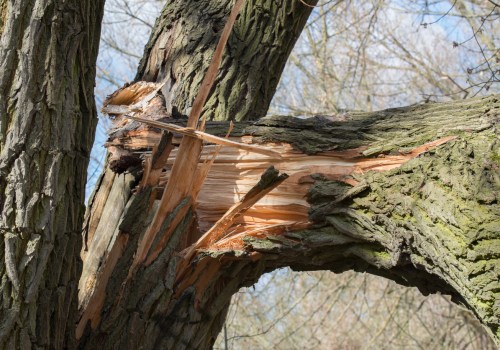
When considering tree branch removal, it’s essential to assess the damage to ensure the health of the tree is not compromised. Knowing when to remove a branch can prevent further issues and promote overall tree vitality.Signs of Damage
- Cracks or Splits: Visible cracks or splits in the bark can indicate structural weakness, making it necessary to remove the affected branch.
- Dead or Dying Branches: If a branch shows no signs of new growth, has dry leaves, or appears brittle, it may be dead and should be removed.
- Fungal Growth: The presence of fungi or mushrooms on a branch can signal decay, suggesting that removal is needed to protect the rest of the tree.
- Pest Infestation: Insects or pests damaging a branch can lead to further deterioration; removing the affected area can help save the tree.
Tree Health Assessment
Before proceeding with tree branch removal, conduct a thorough assessment of the tree's overall health.Look for:
- Leaf Color and Size: Healthy trees typically have vibrant green leaves. Yellowing or stunted leaves may indicate stress.
- Bark Condition: Check for peeling or discolored bark, which can signify underlying issues.
- Root Stability: Ensure that the roots are intact and not exposed, as this affects the tree's ability to absorb nutrients.
The Impact of Branch Removal on Tree Health
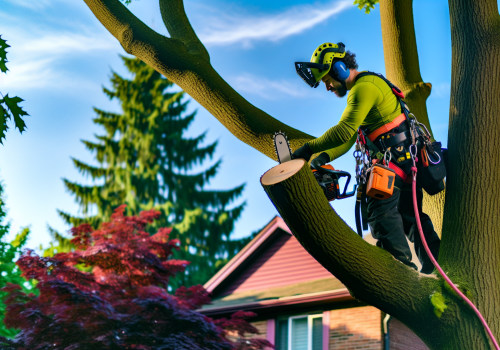
Removing a damaged branch from a tree can have significant implications for its overall health and growth.When a branch is pruned, the tree undergoes a natural healing process that can either promote or hinder its vitality, depending on how the removal is executed.
Impact of Branch Removal
- Stress Response: The act of removing a branch can induce stress in the tree. This stress response may temporarily slow down growth as the tree reallocates resources to heal the wound.
- Improved Airflow and Light Penetration: Proper pruning can enhance airflow and light penetration, which are crucial for photosynthesis. This can lead to healthier foliage and improved growth in the long run.
- Risk of Disease: If not done correctly, branch removal can expose the tree to pathogens. Ensuring clean cuts and proper techniques is essential to minimize this risk.
Tree Health After Pruning
The health of a tree post-pruning largely depends on the timing and method of branch removal.
For instance, pruning during the dormant season can help the tree recover more effectively, as it is less likely to be stressed by environmental factors. Conversely, pruning during active growth can lead to excessive sap loss and vulnerability to pests.
Effects on Growth
- New Growth Patterns: After a branch is removed, the tree may redirect its energy towards new growth. This can result in a fuller canopy if managed properly.
- Potential for Replanting: If you are considering replanting in the same spot after branch removal, it’s crucial to assess the tree's recovery. A healthy tree will be more capable of supporting new growth in its vicinity.
By ensuring proper techniques are used during pruning, you can foster a healthier environment for both existing trees and new plantings.
Can You Replant a New Tree in the Same Spot?
Replanting a new tree in the same spot after tree branch removal is indeed possible, but it requires careful consideration and proper techniques to ensure the success of the new planting. Here are some key factors to keep in mind:- Assess the Site: Before replanting, evaluate the condition of the soil and surrounding area. If the previous tree was removed due to disease or pest issues, it’s crucial to ensure that these problems have been addressed.
- Soil Health: Test the soil for nutrient levels and pH balance. You may need to amend the soil with organic matter or fertilizers to create a suitable environment for the new tree.
- Timing: The best time to plant a new tree is during its dormant season, typically in early spring or fall.
This allows the roots to establish before facing extreme weather conditions.
- Choose the Right Tree: Select a species that is well-suited for your local climate and soil conditions. Consider factors such as growth rate, size at maturity, and resistance to local pests and diseases.
- Planting Technique: When planting, dig a hole that is twice as wide as the root ball but no deeper than the root ball itself. This encourages lateral root growth and helps the tree establish more effectively.
- Watering: After planting, water the new tree thoroughly. Regular watering is essential during its first growing season to help establish strong roots.
By ensuring that the site is ready and choosing the right species, you can foster a healthy environment for your new tree to thrive.
Best Practices for Replanting Trees After Branch Removal
Replanting a new tree in the same spot after tree branch removal can be a rewarding endeavor, but it requires careful planning and execution to ensure the new tree thrives. Here are some best practices to follow:Soil Preparation
Before planting a new tree, it’s essential to prepare the soil properly. Start by:- Removing debris: Clear away any remaining branches, leaves, or roots from the previous tree to prevent disease and pests.
- Testing soil quality: Conduct a soil test to determine pH levels and nutrient content. This will help you understand what amendments may be necessary.
- Amending the soil: Based on the test results, add organic matter such as compost or well-rotted manure to improve soil structure and fertility.
- Tilling the area: Loosen the soil to a depth of at least 12 inches to promote root growth and improve drainage.
Choosing the Right Tree Species
Selecting an appropriate tree species is crucial for successful replanting.Consider the following factors:
- Climate compatibility: Choose a species that thrives in your local climate conditions, including temperature and rainfall patterns.
- Soil type: Some trees prefer sandy soils while others thrive in clay or loamy conditions. Ensure your chosen species matches your soil type.
- Space requirements: Consider the mature size of the tree and ensure there is enough space for it to grow without competing with nearby plants or structures.
- Pest resistance: Opt for species that are less susceptible to local pests and diseases, which can help reduce maintenance efforts in the long run.
Common Mistakes to Avoid When Replanting Trees
Replanting a tree can be a rewarding experience, but it’s essential to avoid common mistakes that can hinder the tree's growth and health. Here are some pitfalls to watch out for:- Ignoring Soil Quality: One of the most significant errors is not assessing the soil quality before replanting. Ensure the soil is well-draining and rich in nutrients.
Conduct a soil test if necessary to determine pH levels and nutrient content.
- Planting Too Deep: Many people make the mistake of planting trees too deep in the ground. The root flare, where the trunk meets the roots, should be visible above the soil line. Planting too deep can suffocate the roots and lead to decay.
- Neglecting Watering Needs: After replanting, trees require adequate watering to establish their roots. A common error is assuming that rainfall will suffice.
Water the tree thoroughly after planting and continue to monitor moisture levels, especially during dry spells.
- Choosing the Wrong Tree Species: Selecting a tree species that is not suited for your local climate or soil type can lead to failure. Research native species or consult with a local nursery to find trees that thrive in your area.
- Forgetting About Sunlight Requirements: Each tree species has specific sunlight needs. Failing to consider whether the new location provides adequate sunlight can stunt growth or lead to disease.
Additionally, consider using mulch around the base of the tree to retain moisture and suppress weeds. By being mindful of these common mistakes, you can enhance your chances of successfully replanting a tree in the same spot after removing a damaged branch, ensuring it thrives for years to come.
Frequently Asked Questions About Tree Branch Removal and Replanting
When it comes to tree branch removal, many homeowners have questions about the implications of cutting branches and the potential for replanting in the same area. Here are some frequently asked questions that can help clarify these concerns.- Can I replant a new tree in the same spot after removing a damaged branch?
Yes, you can replant a new tree in the same spot after removing a damaged branch, provided that the area is properly prepared. Ensure that the soil is healthy and free from any diseases that may have affected the previous tree. - What should I do with the stump after branch removal?
If you have removed a large branch, it’s important to assess whether the stump needs to be removed as well. Leaving a stump can attract pests and diseases.Consider grinding it down or removing it entirely to make way for new growth.
- How long should I wait before replanting?
It’s advisable to wait at least one growing season before replanting in the same spot. This allows the soil to recover and ensures that any potential pathogens are diminished. - What type of tree should I consider replanting?
Choose a tree species that is well-suited for your local climate and soil conditions. Native species are often more resilient and better adapted to local pests and diseases. - How can I ensure successful replanting?
To ensure successful replanting, prepare the soil by adding organic matter, ensure proper drainage, and water the new tree adequately during its establishment phase. Regular monitoring for pests and diseases is also crucial.
Conclusion: Key Takeaways on Tree Branch Removal and Replanting
In conclusion, understanding the intricacies of tree branch removal and the subsequent steps for replanting is crucial for maintaining a healthy landscape.Here are the key takeaways to consider:
- Assess the Damage: Before deciding to replant, evaluate the extent of the damage caused by the removed branch. If the tree is still healthy and stable, replanting may be feasible.
- Soil Health: Ensure that the soil in the area where the branch was removed is still nutrient-rich and capable of supporting new growth. Soil testing can provide insights into its condition.
- Timing Matters: The best time to replant a new tree is during its dormant season, typically in early spring or late fall. This allows the new tree to establish roots before facing harsh weather conditions.
- Choose the Right Species: Select a tree species that is well-suited for your local climate and soil type.
This increases the chances of successful growth and minimizes future maintenance.
- Proper Planting Techniques: When replanting, ensure that you follow proper techniques such as digging a wide enough hole, placing the tree at the correct depth, and watering adequately after planting.