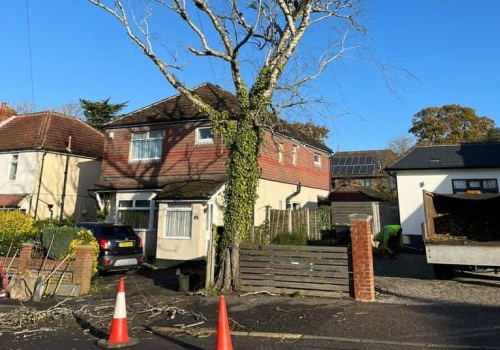
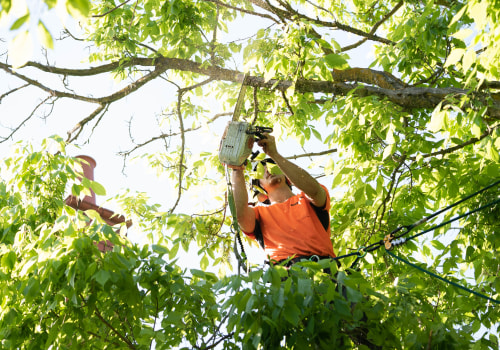
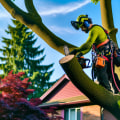
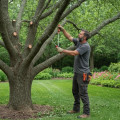
When it comes to maintaining the health and safety of your landscape, tree branch removal is a critical aspect that should not be overlooked. Damaged or diseased branches can pose significant risks, not only to the tree itself but also to the surrounding environment and structures. Understanding these risks is essential for any property owner who values both aesthetics and safety. Neglecting to address damaged tree branches can lead to a variety of hazards. For instance, weakened branches are more likely to break off during storms or high winds, potentially causing injury to people or damage to property.
Additionally, these branches can obstruct pathways or driveways, creating further safety concerns. The longer a damaged branch remains on a tree, the greater the risk of it falling unexpectedly, which can result in costly repairs or even legal liabilities. Moreover, failing to remove compromised branches can adversely affect the overall health of the tree. Diseased branches can spread infections to other parts of the tree or even neighboring trees, leading to a decline in their health and vitality. Regular tree maintenance that includes timely removal of damaged branches not only enhances the beauty of your landscape but also promotes the longevity and resilience of your trees.
Identifying Damaged Tree Branches
Identifying damaged tree branches is essential for maintaining the health of your trees and ensuring safety around your property.Homeowners should regularly assess their trees for signs of damage, which can manifest in various ways.
Visual Signs of Damage
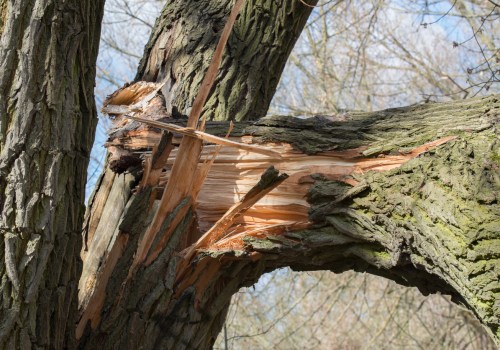
- Cracks and Splits: Look for visible cracks or splits in the bark or wood. These can indicate structural weakness.
- Dead or Dying Foliage: If a branch has leaves that are brown, wilted, or missing, it may be a sign that the branch is unhealthy.
- Mushroom Growth: The presence of fungi or mushrooms at the base of a branch can suggest decay and internal rot.
- Discoloration: Dark spots or unusual discoloration on the bark can indicate disease or damage.
Symptoms to Monitor
In addition to visual signs, pay attention to the following symptoms:- Excessive Dropping of Branches: If branches are falling without apparent cause, it may indicate instability.
- Weak Growth Patterns: Branches that grow at odd angles or have stunted growth may be compromised.
- Pest Infestation: Insects feeding on a branch can weaken it further, making it more susceptible to breaking.
Potential Risks of Not Removing Damaged Tree Branches
Leaving damaged tree branches unattended can lead to a variety of serious risks that affect both safety and property. Understanding these potential hazards is crucial for homeowners and property managers alike.Safety Hazards
One of the most immediate concerns is the risk of injury.Damaged branches, especially those that are partially broken or hanging precariously, can fall unexpectedly. This poses a significant threat to anyone nearby, including family members, pets, and passersby. In high winds or storms, the likelihood of these branches breaking off increases dramatically, making timely tree branch removal essential.
Property Damage
In addition to personal safety, there are substantial risks to property. A falling branch can cause extensive damage to roofs, vehicles, fences, and other structures.The cost of repairs can be significant, often far exceeding the expense of proactive tree maintenance. Moreover, if a branch falls on power lines, it can lead to outages and even fires, further complicating the situation.
Health Risks to the Tree
Neglecting damaged branches can also jeopardize the health of the tree itself. Dead or broken branches can become entry points for pests and diseases, which may spread throughout the tree and compromise its overall vitality. This not only affects the individual tree but can also impact surrounding vegetation.Environmental Impact
Finally, leaving damaged branches in place can have broader environmental consequences.As they decay, they may attract unwanted insects or create habitats for pests that could spread to other plants in your garden or yard.In summary, the risks associated with not removing damaged tree branches are multifaceted, encompassing safety hazards, potential property damage, health risks to the tree itself, and environmental impacts. Taking action promptly can mitigate these risks and ensure a safer and healthier landscape.
Safety Hazards from Damaged Tree Branches
When it comes to tree branch removal, one of the most pressing concerns is the safety hazards posed by damaged branches. These branches can become unstable and pose significant risks to both people and property.Falling Branches: A Real Threat
Damaged tree branches are at a higher risk of breaking off, especially during adverse weather conditions such as storms or high winds. When these branches fall, they can cause serious injuries to anyone in the vicinity.
The potential for harm is particularly high in residential areas where children play or where people gather.
- Injury Risks: Falling branches can lead to severe injuries, including concussions, fractures, or even fatalities. The impact of a heavy branch can be devastating.
- Property Damage: Beyond personal injury, a falling branch can cause significant damage to homes, vehicles, and other structures. This can lead to costly repairs and insurance claims.
- Liability Issues: If a damaged branch falls and injures someone or damages property, the tree owner may be held liable for negligence if they failed to take appropriate action.
Proactive Measures Are Essential
To mitigate these risks, it is crucial to regularly inspect trees for signs of damage. Look for cracks, splits, or dead branches that could pose a threat.
If you identify any hazardous branches, it’s advisable to seek professional help for tree branch removal. Taking proactive measures not only protects your loved ones but also preserves the integrity of your property.In conclusion, ignoring damaged tree branches can lead to serious safety hazards. By prioritizing tree branch removal, you can significantly reduce the risk of injury and property damage, ensuring a safer environment for everyone.
Impact on Property and Surroundings
Neglecting to remove a damaged tree branch can have serious repercussions for both your property and the surrounding environment. When a branch is compromised, it becomes a potential hazard that can lead to significant property damage.One of the most immediate risks is the possibility of the branch falling onto structures such as roofs, cars, or fences.This can result in costly repairs and may even compromise the safety of your home. In fact, homeowners often underestimate the financial implications of such damage until it occurs. A single fallen branch can lead to thousands of dollars in repair costs, not to mention the inconvenience of dealing with the aftermath. Additionally, damaged branches can impact your landscaping. If a branch falls or breaks off, it can disrupt the aesthetic appeal of your yard, leading to an unkempt appearance.
This not only affects your enjoyment of your outdoor space but can also decrease your property value. Potential buyers may be deterred by visible signs of neglect, including overgrown trees with damaged branches. Moreover, there are potential insurance claims for tree damage that homeowners should consider. Many insurance policies cover damages caused by falling trees; however, if it is determined that you neglected proper maintenance—such as failing to remove a visibly damaged branch—your claim may be denied. Insurers often look for evidence of regular maintenance when assessing claims, and neglecting tree care could leave you financially vulnerable. In summary, the risks associated with not removing a damaged tree branch extend beyond immediate safety concerns.
The potential for property damage, negative impacts on landscaping, and complications with insurance claims highlight the importance of proactive tree maintenance. Taking action now can save you from significant headaches and expenses in the future.
Health Risks to Trees and Ecosystem
Failing to remove a damaged tree branch can lead to significant health risks for the tree itself and the surrounding ecosystem. When a branch is compromised, it becomes a gateway for pests and diseases that can spread rapidly, affecting not only the individual tree but also neighboring flora.Tree Health Risks
- Infection and Disease: Damaged branches often harbor pathogens such as fungi and bacteria. These organisms can infect the tree, leading to conditions like canker diseases or root rot, which may ultimately result in the tree's death.
- Pest Infestation: Insects are attracted to weakened trees.
Infestations from pests like bark beetles can exacerbate the damage, creating a vicious cycle that further deteriorates tree health.
- Structural Instability: A damaged branch can compromise the overall structure of the tree, making it more susceptible to wind damage or breakage during storms.
Ecosystem Impact of Damaged Trees
- Biodiversity Loss: Trees play a crucial role in supporting local wildlife. A sick or dying tree may no longer provide adequate habitat or food sources for birds, insects, and other organisms.
- Soil Health: Trees contribute to soil stability and nutrient cycling. When trees decline due to disease, it can lead to soil erosion and reduced fertility, impacting other plants in the area.
- Water Cycle Disruption: Healthy trees help regulate water flow in ecosystems. Damaged trees may not effectively manage rainfall absorption, leading to increased runoff and potential flooding.
Therefore, timely intervention is essential to maintain both tree health and ecological balance.
When to Seek Professional Help for Tree Branch Removal
When it comes to tree branch removal, knowing when to seek professional help can make a significant difference in ensuring safety and effectiveness. While some minor tasks may seem manageable, there are specific situations where hiring an expert is the best course of action.Signs You Need a Professional Arborist
- Large or Overhanging Branches: If the branch is large or poses a risk of falling onto structures or people, it’s time to call in a professional.
- Tree Health Issues: If the tree shows signs of disease or decay, an arborist can assess the situation and determine the best approach for removal.
- Height and Accessibility: Branches that are high up or in hard-to-reach areas require specialized equipment and expertise.
- Potential Damage: If removing the branch could cause damage to nearby structures, vehicles, or other trees, professional help is advisable.
Benefits of Hiring Professional Tree Removal Services
- Safety First: Professionals are trained to handle hazardous situations, reducing the risk of injury.
- Proper Techniques: Experts use techniques that minimize damage to the tree and surrounding area.
- Time Efficiency: Professionals can complete the job more quickly and effectively than most DIY attempts.
They can provide valuable insights and help you make an informed decision that prioritizes safety and tree health.
FAQs About Tree Branch Removal Risks
When it comes to tree branch removal, many homeowners have questions about the potential risks associated with not addressing damaged branches. Here are some frequently asked questions that can help clarify these concerns:What are the dangers of leaving a damaged tree branch?
Leaving a damaged branch can lead to several risks, including:- Injury Risk: A broken or weakened branch can fall unexpectedly, posing a serious risk to people, pets, and property below.
- Pest Infestation: Damaged branches can attract pests such as termites and beetles, which may spread to healthy parts of the tree or nearby structures.
- Disease Spread: Injured branches are more susceptible to diseases that can compromise the health of the entire tree.
- Structural Damage: Over time, a damaged branch can weaken the tree's structure, leading to larger branches breaking off or even the tree falling.
How can I tell if a branch needs to be removed?
Look for signs such as:- Cracks or splits in the bark
- Dead or dying leaves on the branch
- Visible decay or fungus growth
- A significant lean or unusual growth pattern
Is it safe to remove a tree branch myself?
While some small branches can be safely removed by homeowners, it is often best to hire a professional for larger or higher branches. Professionals have the right equipment and expertise to ensure safe and effective tree branch removal.If you have concerns about a damaged tree branch, it’s crucial to act promptly. Regular maintenance and timely removal of hazardous branches can prevent accidents and promote the overall health of your trees.Conclusion: The Importance of Timely Tree Maintenance
In conclusion, the importance of timely tree branch removal cannot be overstated.Neglecting to address damaged or overhanging branches poses significant risks not only to your property but also to the safety of individuals nearby. As we have discussed, the potential hazards include:
- Property Damage: Falling branches can cause severe damage to roofs, vehicles, and other structures. The financial implications of such damage can be substantial.
- Personal Injury: A damaged branch that falls unexpectedly can lead to serious injuries or even fatalities. Ensuring that trees are well-maintained is crucial for the safety of family members and visitors.
- Pest Infestation: Damaged branches can attract pests and diseases, which may spread to healthy parts of the tree or even neighboring plants.
This can lead to more extensive damage and costly treatments.
- Liability Issues: Homeowners may face legal repercussions if a falling branch injures someone or damages property. Regular maintenance helps mitigate this risk.